Why Rimao Bearing?

At Rimao Bearing, we are more than just a ball and roller bearing importer and wholesaler. We provide real solutions to help you deliver on the product and design goals set by your customer.

Guangzhou Rimao Bearing Co., Ltd.

Guangzhou Rimao is rooted in the heart of machinery and precision manufacturing, using bearings as a link to connect every rotation of industry, and is committed to becoming a leader in the field of industrial precision. Located in the bustling Haizhu District of Guangzhou, adjacent to the busy Haizhu Bus Station and complementing the international Pazhou Convention and Exhibition Center. Since its establishment in 2011, Rimao Bearings has relied on deep industry accumulation and relentless pursuit of technology, integrating an international perspective with local wisdom, and infusing innovative concepts into every bearing and pulley.
Read More

Service Industry

At Rimao Bearing, we are more than just a ball and roller bearing importer and wholesaler. We provide real solutions to help you deliver on the product and design goals set by your customer.
Aerospace Aerospace
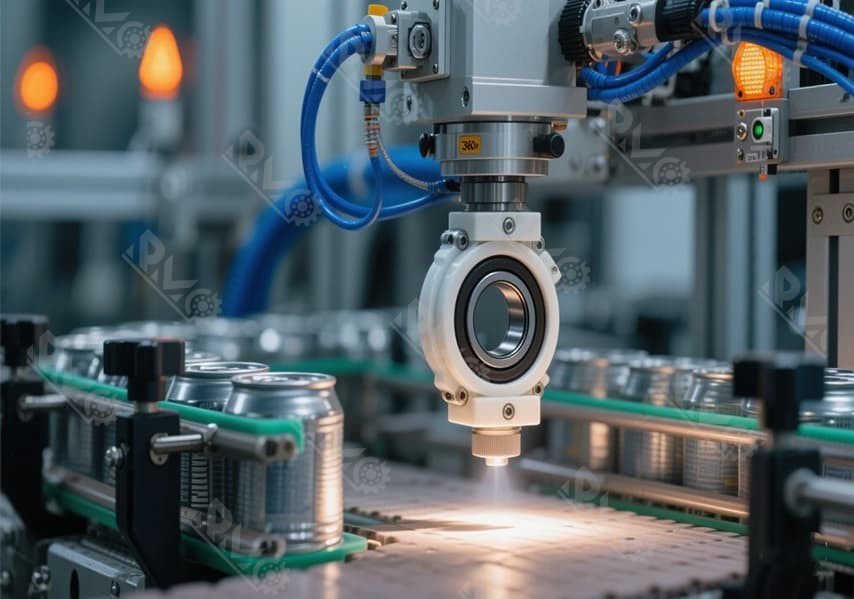
Food & Beverage Food & Beverage
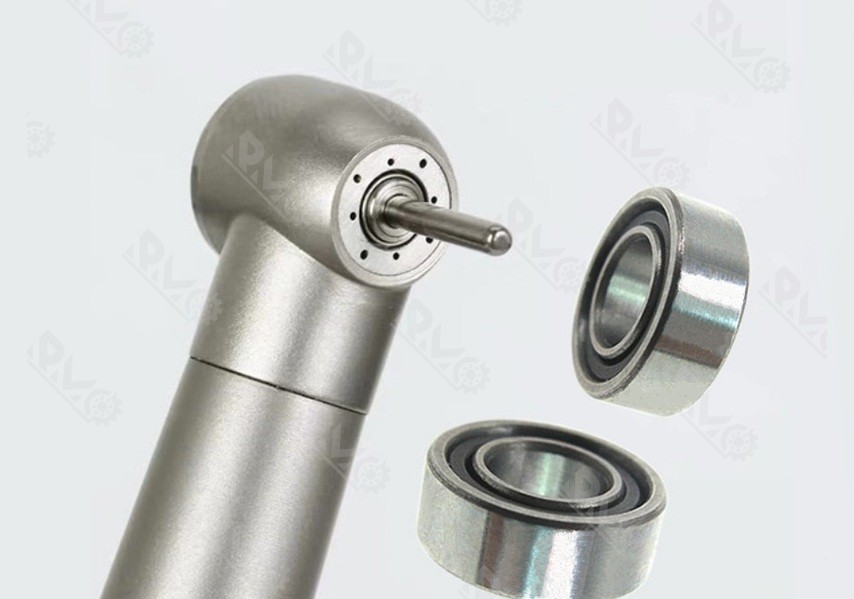
Medical Medical
Robotics Robotics
Industrial Bearings Industrial Bearings
Building Materials Building Materials
Electric Motor Quality Bearings Electric Motor Quality Bearings
Sports, Recreation & Hobby Sports, Recreation & Hobby

Customization Process

At Rimao Bearing, we are more than just a ball and roller bearing importer and wholesaler. We provide real solutions to help you deliver on the product and design goals set by your customer.

Bearings in Media

Latest News
Articles and Blogs
Read More
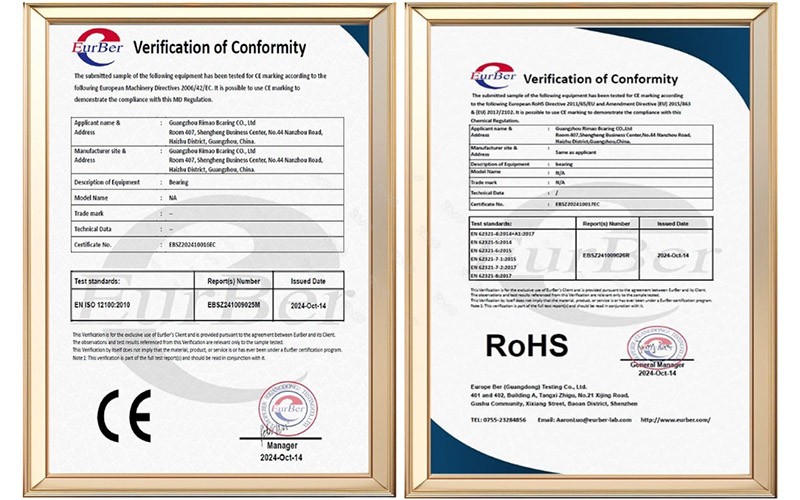
  • Rimao Bearings successfully obtained CE and ROHS certification
    Rimao Bearings successfully obtained CE and ROHS certification
    Guangzhou Rimao Bearings has some good news: all of our bearings and pulleys are CE and ROHS certified. This is a major achievement for our company, solidifying its position as a trusted supplier of high-quality bearings.     The CE certification means their products meet global health, safety, and environmental standards. Rimao is really focused on making sure their products are up to par. Plus, with ROHS compliance, it guarantees that their products don’t contain harmful substances, which reflects their commitment to being eco-friendly.   "These certifications are not just a badge of honor for us," said the CEO of Rimao Bearings, "they are a promise to our customers that we prioritize quality, safety, and environmental responsibility in everything we do. We are proud to have achieved this milestone and look forward to continuing our journey of excellence."   As a professional bearing supplier, we look forward to cooperating with you. If you have any inquiries related to purchasing bearings, please contact us at admin@rmbearing.com.  
    August 12, 2024
    Read More
  • South African customers visit and place deep groove ball bearing sample orders
    South African customers visit and place deep groove ball bearing sample orders
    On March 18, 2025, Guangzhou Rimao Bearing Co., Ltd. was honored to welcome several distinguished customers from South Africa. The visit was mainly to learn about our high-performance deep groove ball bearings. Deep groove ball bearings are one of our most popular products, known for their low noise, high speed and excellent durability.     As a global leader in the bearing industry, Rimao Bearing is pleased to showcase its full range of certified high-quality bearings to give customers a close look at our brand's manufacturing process, quality control measures and product testing standards. The customer showed great interest in our deep groove ball bearings and had an in-depth technical discussion with our sales and engineering teams.   After a comprehensive product evaluation and factory tour, this South African customer was impressed by the quality and precision of our deep groove ball bearings. As a result, they confidently placed an order for samples on the spot, which marked a good start for our two parties to establish a long-term business cooperation relationship. Guangzhou Rimao Bearing Co., Ltd. was established in 2011 and we continue to enhance its reputation as a trusted bearing manufacturer and exporter. Our products are CE and RoHS certified to the highest global standards, ensuring peace of mind for customers around the world.   We are proud to see our bearings playing an important role in South Africa and other markets. Are you interested in high-quality deep groove ball bearings? Contact us today to request a free sample or explore our full range of industrial bearing solutions.   ? Get a quote or request a sample now  
    March 18, 2025
    Read More
  • What to Consider When Selecting Miniature Ball Bearings
    You need miniature ball bearings to help machines work well and last long. Picking the right ones spreads the load, lowers friction, and stops too much wear. If you choose ball bearings that fit your needs, you get smooth movement and less friction. Look at size, material, lubrication, and tolerance when picking. Things like temperature, humidity, and keeping out dirt matter for how long bearings last. Picking the right bearing and lubricant helps stop early problems. A good fit and taking care of bearings make them work better.   Key Takeaways Pick the correct size and fit for miniature ball bearings. This helps them work well and stops them from wearing out too soon. Choose materials such as stainless steel or ceramics. Think about where you will use them. This makes them last longer and work better. Lubricate bearings often with the right grease or oil. This lowers friction and helps them last longer. Think about how much weight and speed the bearings need. This keeps them from breaking and helps your machines work well. Look at the manufacturer's specifications and size charts. This helps you make good choices when picking miniature ball bearings.   Miniature Ball Bearings Overview What Are Miniature Ball Bearings Miniature ball bearings are found in many small machines. They help parts move easily and reduce friction. You can tell them apart by their tiny size. Most have an outer diameter from 1mm to 30mm. Each bearing has an outer ring, an inner ring, a ball set, and a cage. These pieces work together to keep movement smooth and quiet. Miniature ball bearings are much smaller than regular ball bearings. Their shape lets parts move with little friction. You see them used where space is limited and accuracy is important. Choosing miniature ball bearings helps your equipment work better and last longer. It also helps lower noise and vibration in sensitive machines.   Why Precision and Fit Matter Precision and fit are very important for miniature ball bearings. If you pick bearings with tight tolerances, you get less friction and cooler temperatures. This makes machines run faster and more smoothly. High precision bearings, like ABEC 7 or ABEC 9, work best for high-speed jobs. High precision bearings have tighter tolerances for smoother movement. These bearings cut down friction and keep things cool. You need good miniature ball bearings for fast and long-lasting machines. Miniature ball bearings are great for jobs needing low torque and high speed. Some special types can spin up to 500,000 rpm. When you choose the right fit and precision, you protect your equipment from wearing out too soon. You also help your machines stay quiet and work well.   Common Applications of Miniature Ball Bearings Miniature ball bearings are used in many fields. They fit in small spaces and need to be very precise. You find them in electronics, medical devices, robotics, automation, aerospace, and scientific tools. These bearings help machines work well and last longer.   Electronics and Medical Devices Miniature ball bearings are inside many electronic gadgets. They help parts move in hard disk drives, fans, and printers. In medical devices, they help surgical tools and dental handpieces work well. Miniature deep groove ball bearings in these devices keep noise low and movement smooth. You need bearings that do not wear out fast and keep dust away. This makes devices safe and dependable. Tip: Always make sure medical and electronic devices have good lubrication and seals. This stops dirt from getting in and helps your equipment last longer. Performance Requirement Description Precision Needed for smooth work in surgical tools and robots. Material Selection Stainless steel and ceramics last long and resist chemicals. Lubrication Cuts down friction and wear, making things work better. Contamination Protection Shields and seals keep out dust and liquids. Noise Levels Quiet bearings matter for sensitive devices. Robotics and Automation Robots and automation systems need miniature ball bearings to move exactly right. You use these bearings in robot arms and grippers for good control. Miniature deep groove ball bearings in automation help with fast movement and low torque. Miniature bearings for high-speed jobs help robots move quickly and smoothly. Their small size lets you put them in tight spots. Miniature ball bearings lower friction and make machines more reliable. Sealed bearings keep out dust in clean rooms and factories. You get better results and longer life for your machines.   Aerospace and Instrumentation Aerospace and scientific tools need bearings that work in tough places. You use miniature bearings for high-speed jobs in gyroscopes and navigation systems. These bearings must be light, strong, and work at high temperatures. Custom designs are often used in aerospace for special needs. Miniature ball bearings are used in lasers, measuring tools, and flight controls. Challenge Type Description Advanced Materials and Coatings Strong materials and coatings help in tough aerospace jobs. Miniaturization and Lightweight Design Small, light bearings save fuel. High-Speed and High-Temperature Bearings must work well when things move fast and get hot. Customization Special designs fit unique aerospace needs. Miniature ball bearings help many industries. They let machines work with high precision, speed, and reliability.   Types and Selection of Miniature Ball Bearings There are different types of miniature ball bearings. Each type works best for certain jobs. You need to know how each one works before you pick. The right choice depends on load, speed, and space. You should also think about the environment and how much care is needed. Deep Groove Ball Bearings for Radial Loads Miniature deep groove ball bearings are used a lot in small machines. They are good for radial loads, which push from the side. These bearings can also handle some axial loads, which push along the shaft. Miniature deep groove ball bearings are great for high speeds and low friction. These bearings help machines carry more weight. They support forces from both sides. You get high-speed movement because the balls roll easily. Miniature deep groove ball bearings are easy to take care of and keep clean. You can use them in motors, fans, and big machines. Miniature deep groove ball bearings fit well in small spaces. Their design is good for medical devices, robots, and electronics. They help things move smoothly and last longer. Picking the right miniature deep groove ball bearings makes your machines work better and need fewer repairs. Tip: If you want less friction and more speed, use miniature deep groove ball bearings. They help machines stay quiet and last a long time.   Shielded, Sealed, and Open Bearings You need to choose the right protection for your miniature ball bearings. Open, shielded, and sealed bearings all protect in different ways. Feature Open Bearing Shielded Bearing Sealed Bearing Contaminant Protection Low: No built-in protection from dust or moisture. Moderate: Shields block large debris and dust. High: Seals provide a tight barrier against dust and water. Lubrication Retention None: Needs outside lubrication. Partial: Grease stays in better, but some can leak. Excellent: Grease is sealed inside for the life of bearing. Maintenance Needs High: Needs regular cleaning and oil. Moderate: May need some re-lubrication. Minimal: Usually maintenance-free. Open bearings are best for clean places where you can add oil often. Shielded bearings keep out bigger dirt and hold grease better. Sealed bearings give the most protection and need the least care. Think about where you will use the bearing and how much time you want to spend on care.   Specialty Bearings and Their Uses Some jobs need special miniature ball bearings. These have features for tough or strange tasks. Thin-section ball bearings fit in very small spaces and help lower weight. You see them in medical tools and robots. They can handle both radial and axial loads. Here are some examples of specialty miniature ball bearings and where you might use them: Industry Specific Use Outcome Metrics Medical Devices Imaging equipment, surgical robots Longer device life, less maintenance, safer for patients Aerospace Components Navigation, gyroscopes, satellites Better reliability, lighter weight, longer service Consumer Electronics Smartphones, tablets, wearables Better performance, smoother user experience Robotics and Automation Robotic joints, actuators Faster cycles, more precision, less downtime Drones and Unmanned Vehicles Drone motors, gimbals More stable flight, longer battery life, clearer images Look at the features of each bearing before you pick. Some use stainless steel or ceramics for better results. Others have coatings to stop rust or heat. When you focus on the selection of miniature ball bearings, your machines work well in any place. Note: Specialty bearings can cost more, but they last longer and need less care. This can save you money over time.   How to Choose the Right Bearing To pick the right miniature deep groove ball bearings, match your needs to the features. Here are some things to check: Design: Shape and size change how much weight it holds and how fast it spins. Materials: Stainless steel does not rust. Chrome alloy steel lasts longer with heavy use. Shields and Seals: These keep grease in and dirt out. Seals protect better but can make turning harder. Cages: These hold the balls in place. The right cage helps with speed and heat. ABEC Grade: This shows how exact the bearing is. Grades 3 and 7 are good for most jobs. Radial Play: This is the small space inside the bearing. It helps with heat and fit. Lubricant: Grease works best for most small bearings. It stays in place and does not leak much. Alert: Always match the bearing’s features to your machine’s needs. The right choice helps your bearing work better and last longer.   If you pay attention when picking miniature ball bearings, you avoid problems like early wear or machine trouble. The right bearing gives you the best results, whether you use it in medical devices, robots, or drones. Miniature ball bearings help your machines move smoothly, quietly, and reliably in any job.   Key Factors in Selecting the Right Miniature Ball Bearings When you pick miniature ball bearings, you should think about a few important things. These things help you choose the best bearing for your job and make it work better. You need to look at size, materials, how much weight it can hold, lubrication, and where it will be used. If you pay attention to these, you can stop problems and get good results.   Miniature Bearing Size Chart and Fit You should use a miniature bearing size chart when picking bearings. This chart shows the outer diameter, inner diameter, and width. These numbers help you find the right size for your job. If you choose the wrong size, the bearing might not fit or work right. The size chart also lets you compare different bearings fast. A good fit means the bearing will not slip or move. This helps your machine run well and stops damage. You can use the size chart to check all the sizes before you buy. Always pick the right size for your job to get the best results. Tip: Always check the miniature bearing size chart before you buy. This easy step can help you save time and money.   Material Choices: Steel, Stainless, Ceramic You should think about what the bearing is made of when you pick one. The material changes how long the bearing lasts and if it can handle rust or chemicals. Here are some things that change how well it works: Corrosion Resistance: Some materials do not rust as fast. This helps the bearing last longer in wet or rough places. Hardness and Wear Resistance: Harder materials can take more stress and last longer. Thermal Properties: Some materials work better in hot or cold places. This keeps the bearing strong. You can find miniature ball bearings made of steel, stainless steel, or ceramic. Steel bearings are good for most jobs. Stainless steel does not rust and works in wet or chemical places. Ceramic bearings are light and strong. They are good for high precision and low friction jobs. Always pick the right material for your job to get the best results.   Load Capacity and Types Load capacity is one of the most important things to think about. You need to know how much weight your bearing will hold. The static load rating shows how much weight the bearing can take before it changes shape. This is important for machines that do not move much. The dynamic load rating shows how much weight the bearing can take while moving. This rating tells you how long the bearing will last with a steady load. You should always check both ratings before you pick a bearing. If you pick a bearing that cannot hold enough weight, it can wear out fast or break. Too much weight can hurt the bearing and make it less reliable. You also need to think about preload, speed, and how the weight changes when you use it. These things all change how long your bearing will last. Picking the wrong load can cause wear and damage. Too much weight can break the bearing early. Not enough oil, bad alignment, and too much weight are main reasons for problems.   Lubrication and Maintenance Needs Lubrication is another important thing to think about. You need to pick the right oil or grease for your job. Grease works well for most miniature ball bearings, especially in closed places. Oil is better for fast jobs because it lowers friction. You should not use too much or too little oil or grease. Too much can make the bearing fail. Too little can make it hot and wear out. Always follow the care plan for your bearings. This helps them work well and last longer. Grease is common and works for most jobs. Oil is best for fast or hot jobs. Good lubrication is needed for low friction and high precision. Alert: Check your bearings often and add oil or grease if needed. This easy step can stop many problems. Environmental and Operating Conditions You need to think about where you will use your miniature ball bearings. Wet air, dust, and hot or cold places all change how well they work. Wet air can make them rust and wear out. Dust can hurt the bearing and mess up the oil or grease. Hot or cold can change how the bearing and oil or grease work. You can use stainless steel or ceramic miniature ball bearings in wet or dirty places. Special coatings and good seals help keep out water and dust. Always pick the right bearing for your job and where you will use it. Wet air can make bearings rust and wear out fast. Hot or cold can change how the bearing and oil or grease work. Dust and dirt can hurt the bearing and make it work worse. Use rust-proof materials and good seals for tough places. When you think about these important things, you get the best results for your job. You help your machines last longer, move faster, and work better. Always use a size chart, pick the right material, check the weight it can hold, use the right oil or grease, and think about where you will use it. These are the most important things for miniature ball bearings.   Matching Miniature Ball Bearings to Your Application Assessing Application Demands You need to look at your application closely before you pick miniature ball bearings. Start by thinking about the load. Ask yourself how much weight the bearing will carry and what kind of force it will face. Next, check the speed and precision your machine needs. Some jobs need bearings that spin very fast or move with great accuracy. The environment also matters. Dust, water, or heat can change how well the bearing works. Load conditions: Think about the weight and direction of the force. Speed and precision: Decide how fast and accurate your machine must be. Environmental influences: Look for dust, moisture, or chemicals that could harm the bearing. You should also look at how the bearing fits with other parts. Make sure the size matches your space. Think about how easy it is to mount and take care of the bearing. Good planning helps you avoid problems later.   Balancing Performance and Cost You want miniature ball bearings that work well but do not cost too much. Standard bearings often cost less than custom ones. They also arrive faster. Sometimes, you can pick a less expensive material with a special coating or heat treatment. This can give you the performance you need without a high price. Tight tolerances make bearings more precise, but they also raise the cost. Each extra decimal place in the tolerance can double the price. You should only pay for the precision your job really needs. Tip: Choose standard miniature ball bearings when possible. Save custom options for special needs.   Using Manufacturer Specifications Always check the manufacturer’s specifications before you buy miniature ball bearings. Look at the bearing type. Ball bearings work best for high speeds. Check the size and structure to make sure they fit your space and speed needs. The cage material matters too. Solid cages let the bearing spin faster. Lubrication is key for smooth movement and long life. Make sure the lubricant matches your speed and temperature needs. Here is a checklist to review: Bearing type and speed rating Size, structure, and fit Cage material and design Lubrication type and compatibility Protection against dust and moisture Environmental limits like temperature and humidity If you follow these steps, you will find miniature ball bearings that fit your job and last longer.   Common Mistakes in Selection and Troubleshooting Overlooking Size and Fit Some people think any bearing will work. But if you do not check size and fit, you can have big problems. The wrong size might not fit or move right. A bad fit can make too much stress and friction. This can make the bearing break early. The table below shows what can happen if you do not check size and fit: Factor Explanation Preloading Not checking clearance can put stress on the bearing parts. Increased Friction Extra stress makes more friction and heat, which breaks down lubricant. Creep Loose fits cause movement, heat, and wear particles, leading to vibration and failure. Fretting Corrosion Tiny movements create wear particles that turn into abrasive powder. Stress Concentration Bad fit causes stress in one spot, making the bearing wear out faster. Tip: Always use a size chart and check the fit before you put in miniature ball bearings.   Ignoring Load or Speed Requirements If you do not check load and speed, your bearings can get damaged. Too much weight or speed can make friction and wear happen fast. This can break the bearing early. The table below shows what can go wrong: Consequence Description Excessive Friction Bearings get too hot and wear out quickly. Material Fatigue Parts weaken and break from too much load. Premature Failure Bearings stop working before their expected life. Increased Maintenance Costs You spend more time and money fixing problems. Uneven Load Distribution Rolling parts shift, causing more wear.   Neglecting Lubrication and Maintenance Lubrication helps miniature ball bearings move smoothly. If you forget to add grease or oil, friction and wear get worse. You should not use too much or too little. Good lubrication makes a film that keeps metal parts apart. If you see heat, noise, or shaking, the lubrication may be bad. You need to check and add oil or grease often. Good lubrication lowers friction and wear. It makes a film that protects moving parts. Watch for overheating, strange sounds, and shaking. Check lubrication when needed, not just by the calendar. 🛠️ Regular maintenance helps your bearings last longer.   Troubleshooting Premature Wear Premature wear can stop your machine and cost money. You need to know the signs and fix problems fast. The table below shows common causes, symptoms, and how to fix them: Cause of Premature Wear Symptoms Corrective Procedures Lubrication Failure Brown or blue marks on balls and tracks Lubricate key areas and watch temperature. Contamination High vibration and wear Keep work areas clean and store bearings safely. Misalignment Uneven wear paths Remove dirt and burrs, align parts correctly. Overloading Spalling and overheating Lower the load or redesign for more capacity. Shock Loads More vibration and wear Avoid rough handling and impacts. Poor Handling Severe wear paths Use proper installation and gentle force. You can stop most problems by picking the right miniature ball bearings, checking fit, and doing regular maintenance.   Maintenance Tips for Miniature Ball Bearings Installation Best Practices You can make your miniature ball bearings last longer by following good installation steps. Always keep the bearings and the work area clean. Do not wash new bearings because they come pre-lubricated. Store them in a dry place and keep them in their package until you need them. Handle each bearing with care and use clean tools. Before you start, check the shaft and housing for a good fit. Mount the bearing correctly and make sure the outer race sits square in the housing. Never hammer directly on a bearing. Apply even pressure and check for noise or rough movement after installation. Installation Checklist: Clean work area and tools. Inspect shaft and housing. Use proper lubrication. Mount bearing with even pressure. Check for correct fit and smooth operation. Tip: Always use the same type of bearing when replacing to keep performance steady.   Routine Inspection and Cleaning You should inspect your bearings often. Heavy-duty or always-running machines need checks every week. Machines in tough places may need daily checks. For standard machines, look once a month. If you use a machine only a little, check every few months. After any repair, inspect the bearing soon. When cleaning, use a brush to remove dirt and grease. Rotate the bearing slowly in clean oil or kerosene. Dry it well and add anti-corrosion oil right away. Always check for cracks, rust, or rough spots. Listen for odd sounds and check if the bearing feels hot.   Lubrication Schedules Lubrication keeps miniature deep groove ball bearings running smoothly. Use the type and amount of lubricant the maker suggests. Grease works for most jobs, but oil is better for high-speed work. Check the lubricant often and replace it if it looks dirty or dry. Too much or too little can cause problems. Stick to a regular schedule to avoid trouble. Lubrication Type When to Use How Often to Check Grease Most applications Monthly Oil High-speed jobs Weekly   Signs of Wear and Replacement Timing You need to watch for signs that your bearing needs replacing. Look for cracks, rust, or leaks. Feel for rough spots when you turn the bearing. Listen for new noises or check if the bearing gets hot. If you see any of these signs, replace the bearing right away. Quick action can save your machine from bigger problems. Note: Early replacement of worn bearings helps prevent machine failure and costly repairs.   You should think about size, material, load, lubrication, and fit. Always look at a size chart before you buy bearings. Read the manufacturer’s instructions to help you choose. Know what your machine needs before you pick a bearing. This helps you get the best one for your job. Tip: Check what your machine needs before you buy. Picking the right bearing helps your machine work better and saves money.   FAQ What is the smallest size for miniature ball bearings? You can find miniature ball bearings as small as 1mm in outer diameter. These tiny bearings fit in compact devices like medical tools and electronics. How do you know which material to choose? Stainless steel resists rust. Ceramic offers low friction and light weight. Chrome steel works well for most machines. You should match the material to your environment and performance needs. How often should you lubricate miniature ball bearings? Check your bearings every month. Add grease or oil if you see dryness or hear noise. High-speed machines may need weekly checks. Can you reuse a miniature ball bearing after removal? You should not reuse bearings if you see wear, rust, or damage. Always inspect for cracks or rough spots. Replace old bearings to keep your machine safe.

    December 05, 2025
    Read More
  • Why Deep Groove Ball Bearings Are the Most Widely Used Bearing Type
      You see deep groove ball bearings in almost every machine and equipment around you. Their simple structure and ability to handle both radial and axial loads make them essential. Deep groove ball bearings account for 45% of global bearing usage, showing how popular they are among engineers and manufacturers. These bearings support a market projected to grow from USD 10.5 billion in 2024 to nearly USD 15.8 billion by 2033. This steady growth highlights their unmatched versatility and performance.   Key Features of Deep Groove Ball Bearings     Simple Structure and Design You can recognize a deep groove ball bearing by its straightforward construction. The design includes an inner ring, an outer ring, a cage, and a set of balls. Each part plays a vital role in durability and smooth operation. The table below shows how these components contribute to the bearing's long-lasting performance:   Component Role in Durability Outer Ring Provides a smooth raceway for balls, minimizes friction and wear, and withstands operational stresses. Inner Ring Offers a raceway for balls, ensuring smooth rotation and load distribution, and maintains alignment. Cage Separates balls to prevent contact, reduces friction, and maintains alignment for smooth operation.   This simple structure allows deep groove ball bearings to deliver reliable rotation and resist wear, even under demanding conditions. You benefit from a product that maintains alignment and reduces friction, which leads to greater efficiency in your machinery.   High-Speed and Low-Friction Performance You need bearings that can keep up with fast-moving equipment. Deep groove ball bearings excel in high-speed environments. The deep grooves in the rings help the balls roll smoothly, which lowers friction and supports rapid rotation. This feature boosts performance in electric motors, gearboxes, and other devices where speed matters. You experience less heat buildup and longer service life, which means fewer interruptions and more consistent results.   Versatility in Applications You can use deep groove ball bearings in a wide range of settings. Their ability to handle both radial and axial loads makes them suitable for many types of machinery. You will find these bearings in: Electric motors Automobiles Windmills Power tools Engines Gearboxes Medical devices Office machinery Flying cars Robots This versatility ensures you can rely on deep groove ball bearings for everything from household appliances to advanced robotics. Their adaptable design lets you choose the right bearing for your specific needs, improving both performance and reliability.   Benefits of Deep Groove Ball Bearings   Easy Installation and Maintenance You want bearings that simplify your work. Deep groove ball bearings offer a straightforward design that makes installation and maintenance easy. You can see how each component helps you during assembly and upkeep:   Component Description Outer Ring Provides support and alignment for the bearing assembly. Inner Ring Fits onto the rotating shaft, allowing for smooth operation. Balls Rolling elements that separate the inner and outer rings, facilitating movement. Cage or Retainer Holds the balls in place, maintaining proper spacing and ensuring smooth rolling without friction.   You can install these bearings quickly because the parts fit together without complex adjustments. Maintenance becomes simple since you only need to check for wear and lubrication. This ease of use saves you time and reduces the risk of errors during servicing. You benefit from less downtime and more consistent operation.   Cost-Effectiveness and Availability You look for products that deliver value over time. Deep groove ball bearings may have a higher initial purchase cost than some other bearing types, but you gain significant cost savings in the long run. Their durability means you spend less on maintenance and replacements. You avoid frequent breakdowns, which helps you keep your equipment running smoothly.   You also benefit from their wide availability. Deep groove ball bearings hold the largest market share among all bearing types. You can find them easily, which means you never have to wait long for replacements or upgrades.   Bearing Type Market Share Growth Rate Deep-Groove Ball Bearings Largest Stable due to versatility Angular Contact Ball Bearings Emerging Fastest-growing segment This accessibility ensures you can maintain your operations without delays. You get reliable supply and support, no matter where you work.   Reliability and Long Service Life You need bearings that last. Deep groove ball bearings deliver a longer expected shelf life because of their robust construction and high-quality materials. You can trust them to perform under various loads and speeds. Their reliability comes from strict quality assurance programs and rigorous testing.   Aspect Description Basic Rating Life (L10) Indicates the lifespan of deep groove ball bearings under standard conditions Calculation Variables Various factors must be considered when calculating bearing life Fatigue Damage The life indicates the total revolutions or hours until fatigue occurs   You can evaluate reliability using several metrics: Type of application: You consider operational temperatures, lubrication intervals, and contamination risks. Reliability expectations: You ensure alignment with your needs for dependable operation. Warranty timelines: You understand warranty policies to match service life calculations. Frequency of use: You account for how often your equipment operates to determine life hours. Manufacturers use quality assurance programs to confirm the reliability of deep groove ball bearings. You benefit from fewer failures and higher productivity. You also enjoy other performance advantages, such as low friction, high-speed capability, and silent operation. These benefits of deep groove ball bearings help you achieve greater efficiency and cost savings in your projects. You get a product that supports heavy loads, operates quietly, and lasts longer, making it the preferred choice for many industries. The benefits of deep groove ball bearings make them essential for anyone seeking reliability, efficiency, and long-term value.   Common Applications of Deep Groove Ball Bearings   Automotive Industry You see deep groove ball bearings in many automotive components. These bearings help your car run smoothly and safely. They handle both radial and axial loads, which means they support weight and movement in different directions. The table below shows where you find them in vehicles:   Automotive Component Description Wheel Hubs Critical for smooth wheel rotation and stability, handling both radial and axial loads. Transmissions Essential for efficient power transfer and load handling. Steering Systems Important for precise steering control and stability. You benefit from reduced friction and longer service life in your vehicle. Deep groove ball bearings also allow for customization, so you can choose the right size or material for your specific automotive needs.   Industrial Machinery You rely on deep groove ball bearings in many types of industrial machinery. These bearings support a wider range of applications, from electric motors to conveyor systems. The table below highlights common uses:   Machinery Type Applications Electric Motors Used for moderate speeds, providing quiet and efficient operation. Gearboxes Employed for precise and efficient rotation, handling radial and axial loads. Pumps and Compressors Utilized for high radial loads and varying speed conditions. Agricultural Equipment Incorporated in tractors and combines for durability in harsh environments. Conveyor Systems Essential for smooth operation and material handling efficiency. You experience cost savings and improved safety because these bearings require less maintenance and offer stable operation. You can also request custom solutions for machinery that faces unique challenges.   Household Appliances You find deep groove ball bearings in many household appliances. These bearings make your washing machine, ventilator, and power tools run quietly and efficiently. Here are some common examples: Electrical machinery Ventilators Washing machines Power tools Deep groove ball bearings minimize friction and noise, which lowers your energy costs and keeps your home peaceful. Advanced sealing technology and improved designs lead to longer life and less maintenance.   Electric Motors and Precision Instruments You depend on deep groove ball bearings for electric motors and precision instruments. These bearings enable smooth and efficient shaft rotation, which is crucial for high-speed applications. You get increased efficiency and reduced operational noise. The precision grade and tolerance grade of these bearings ensure accuracy and reliability in demanding environments. Deep groove ball bearings support both axial and radial loads, enhancing durability. Limited clearance and low angular misalignment provide outstanding precision. Customization options let you select bearings for specific dimensions or performance needs. You see these bearings in everything from industrial equipment to miniature motors. Their ability to withstand high temperatures and fast speeds makes them ideal for precision instruments where accuracy matters most.   Adaptability and Customization in Bearings Handling Different Loads and Speeds You often need bearings that can handle a variety of loads and speeds. Deep groove ball bearings give you this flexibility. You can select them based on the load capacity, speed, and the environment where you use them. These bearings support both radial and axial loads at the same time. This makes them a smart choice for many machines. You get high load-carrying capacity and low friction, which improves performance and extends service life. You can trust these bearings to keep your equipment running smoothly and efficiently.   Compatibility with Seals and Shields You want to protect your bearings from dust, dirt, and moisture. You can choose from different types of seals and shields to match your needs. For example, metal seals create a tight barrier against contaminants, while non-contact shields block larger particles. Some seals, like RSL and RSH types, offer better grease retention and keep out more contaminants. These options help you reduce maintenance and increase the life of your bearings. You see these features in many industries, including automotive, industrial machinery, and household appliances. Improved sealing technology means you get better performance and less downtime.   Custom Solutions for Unique Applications You may need bearings for special environments or advanced technology. You can customize deep groove ball bearings in many ways: Change the surface finish to improve lubrication and reduce friction. Adjust the internal geometry for higher load capacity. Select from rubber seals or metal shields for the best protection. Use special greases for high temperatures or low viscosity. Choose higher tolerance classes for precise applications. Request custom engineering for unique requirements.   You can also pick materials that fit your needs. The table below shows common options: Material Type Description High Strength Tool Steel Handles high temperatures, often used in demanding applications. Stainless Steel Resists chemicals and corrosion, great for harsh environments. Chrome Steel (GCr15) Durable and strong, used for most load-carrying parts. Ceramic Materials Offers high hardness and can run without lubrication.   You see these customizations in action in extreme environments, such as outer space or high-temperature industries. Advanced bearings can operate above 500°C and use special lubricants. New designs, like high-performance C-Series bearings, give you higher load capacity, lower friction, and better dust protection. You can rely on these innovations to boost efficiency and performance in new and emerging technologies.   As an excellent Deep Groove Ball Bearing manufacturer, RMO brings over 20 years of expertise in the bearing industry. Contact us today for professional consultation!  
    November 28, 2025
    Read More
  • What Makes Miniature Ball Bearings the Best Choice
    You want reliable performance and lasting value. Miniature Ball Bearing brings you both. These bearings fit tight spaces and help your machines run smoothly. You can count on our team for quick answers and friendly support. Key Takeaways Miniature ball bearings are very precise. They cause less friction. They help machines run quietly. This makes your machines work better. Their small size fits in tight spaces. This helps make new products. They are great for electronics, robotics, and medical devices. Miniature bearings last a long time. They can handle tough conditions. They do not need much care. This saves you time and money. Miniature ball bearings last longer than other types. They make less noise. They work well in many different uses. Experts can help you pick the right miniature bearings. This makes sure your machines work their best.   Miniature Ball Bearing Features Precision You want your machines to run smoothly and quietly. That’s where precision bearings come in. When you use a miniature ball bearing, you get high accuracy and low friction. This means your equipment works better and lasts longer. Here’s how precision makes a difference: High precision in miniature ball bearings leads to low friction torque. You get less vibration and noise, which helps your machines run quietly. These features boost the efficiency of high-speed equipment. If you work with robotics, medical devices, or electronics, you know how important precision bearings are. They help you reach top performance every time. Compact Design Space matters in modern devices. You need components that fit into tight spots without losing strength. Miniature ball bearing options give you that edge. Their compact design lets you build smaller, lighter products that still deliver power. Compact design means you can fit more parts into a smaller space. This helps you create innovative products that stand out.   Durability You want your machines to last, even in tough conditions. Miniature ball bearing products stand up to harsh environments. You can choose shields or seals to keep out dust and dirt. Seals also help hold in lubrication, so you spend less time on maintenance. Miniature ball bearings with seals protect against water and chemicals. Stainless steel or ceramic options resist rust and corrosion. The right lubrication keeps your bearings running smoothly, even under stress. Precision bearings are built to handle daily wear and tear. You get peace of mind knowing your equipment will keep working, no matter where you use it.   Miniature Bearings vs Other Types Performance You want your machines to work well. Miniature bearings help you do that. They are better than sleeve bearings in many ways. Look at the table below. It shows how miniature bearings work in real life. Metric Miniature Ball Bearings Sleeve Bearings Longevity Last 50% longer at high temperatures Only last long if mounted straight up Mounting Can be put in any position Life gets shorter if not straight up Noise Stay quiet at high speeds Noise changes with bushing fit Parts Precision Made very smooth and precise Made from porous metals, less exact Lubrication Issues Sealed systems, less risk of drying out Fixed lubricant, dries out faster Friction Very little friction from point contact More friction from line contact Cost Costs more at first, saves money later Cheaper at first, costs more over time Miniature bearings give you more choices. You can put them anywhere, and they last longer when things get hot. They have less friction, so machines use less energy. The precision helps your machines stay quiet and work well. Did you know? Miniature bearings can go fast and stay quiet. This helps people who build electronics or robots. Versatility You want parts that work for many things. Miniature bearings do this job. You can use them in small gadgets, medical tools, or aerospace gear. Their small size fits tight spaces. You do not lose strength or performance. Miniature bearings work in small spaces and save energy. They spin fast and keep everything working right. You can use them in high-tech gear where space is tight. Miniature bearings change to fit your needs. You can pick different materials, sizes, and seals. This helps you get the best part for your project, like a robot or medical tool. Tip: If you need help picking miniature bearings, our team can help you.   Maintenance You want to save time and money. Miniature bearings help you do both. They need less care than other types. Sealed miniature bearings keep out dust and water. You do not need to clean or oil them as much. One car wash saved over $11,900 in maintenance costs in one year by switching to miniature bearings. The old bearings cost more than €12,000 to care for, but the new ones only cost €618. The car wash got its money back in less than three weeks. Miniature bearings help you worry less. You spend less on fixing and replacing parts. Your machines keep working, and you get more for your money.   Manufacturing Excellence Materials You want your Miniature Ball Bearing to work well and last long. The material it is made from is very important. Makers use strong metals to help bearings last longer and not wear out fast. Here are some common materials: Material Type Description GCr15 A high-carbon chromium steel known for its hardness and wear resistance. Stainless Steel An alloy famous for corrosion resistance and durability. You might ask why the material matters. It changes how your Miniature Bearing works in hard jobs, wet places, or with chemicals. Look at these important things: Factor Description Nature of the Corrosive Environment You need to know if your bearing will face water, chemicals, or heat. Material Properties Some metals do not rust easily, others can take more pressure. Maintenance Requirements The right metal means you spend less time fixing things. Compliance and Regulations Some jobs need special metals to follow the rules. If you want more protection, stainless steel bearings are good for wet or rough places.   Quality Control You want every Miniature Ball Bearing to work right the first time. That is why top brands use strict quality checks. These checks help stop up to 30% of problems. If you pick a bearing made with these rules, you get better parts and fewer problems. Each bearing is tested for size, shape, and strength. This careful testing helps your Miniature Bearing last longer and work better, even in tough jobs.   Applications Electronics & Medical Miniature bearings are used in electronics and medical devices. They help gadgets stay small and light. Tiny motors and sensors move smoothly because of these bearings. Medical tools need to be clean and reliable. Miniature bearings keep out dirt and germs. This keeps equipment safe for patients. They can handle cleaning without losing accuracy. Special miniature bearings help micro-blood pumps work well. Top companies make these bearings for medical devices. Miniature bearings block dirt and survive cleaning. High precision helps medical equipment work right. If you need bearings for medical or electronic devices, get the best fit. You can ask our team for help picking the right ones.   Robotics & Automation Robots and machines need to move smoothly. Miniature bearings make this happen. Robotic joints move with precision because of these bearings. You see them in machines that pick up and place items. They help assembly line robots work fast and steady. Miniature bearings give smooth movement in robot joints. You get reliable performance in automation. Sealed bearings need less care and save time. Good load distribution helps machines last longer. Miniature bearings help you save time and money. Your machines last longer and work better. If you need advice, our experts can help you pick the right bearings.   Aerospace Aerospace needs bearings that work in tough conditions. Miniature bearings solve weight and space problems. You get high performance without extra bulk. These bearings help systems run smoothly and save fuel. Application Area Description Aerospace Miniature bearings boost performance and cut weight in aerospace parts. Automotive Used in key parts to save space and improve efficiency. Medical Devices Needed for precise tools like dental drills and surgery robots. Consumer Electronics Found in tiny gadgets and cameras where space is tight. Miniature bearings make things lighter. You get better results in hard conditions. Smooth movement means better fuel use. Miniature bearings help aerospace projects do more. If you want help picking bearings for aerospace, electronics, or medical use, chat with our team. We help you find the best bearings and make sure they last.   Miniature Ball Bearing stands out for many reasons. You get less friction, quiet operation, and reliable performance in tight spaces. Miniature Bearing options save space and work well at high speeds. Customers often see longer bearing life and fewer maintenance needs, which means lower costs and less downtime.    Have questions? Rimao's support team is ready to help you make the best choice for your project. Feel free to contact us; our email address is admin@rmbearing.com
    November 19, 2025
    Read More
  • Expert tips for choosing ceramic bearings for your project
    You should pick ceramic bearings that fit your project’s needs. The right bearings last longer and work better. Some projects have issues like high prices or weak materials. Some places are hard for bearings to work in. Silicon carbide is good when it gets very hot. But it can break if hit hard. Experts can help you with these problems. They can help you not make mistakes. If you choose carefully, you get the best results.   Key Takeaways Think about what your project needs before picking ceramic bearings. Look at things like heat, weight, and where you will use them. This helps you find the best match. Make sure you know what you want your bearings to do. Figure out how much weight and speed they need to handle. This helps you pick bearings that work well and last longer. Pick the right kind of bearing for your job. Ceramic, steel, and hybrid bearings all have special benefits. Each one works best for different jobs. Always look at the grade and material of the bearings. Better materials make bearings work better and last longer. Plan to take care of your bearings often. Check them and add oil or grease when needed. This stops problems and helps bearings last longer.   Key tips for ceramic bearings selection Assess application needs Start by thinking about what your project needs. Each job is different. Some need to handle high heat. Others need to last a long time or not rust. You might work in tough places or need special bearings. Ceramic bearings are good for hard jobs or special uses. Steel bearings cost less and work for normal jobs. Think about how long bearings will last, how heavy they are, and how much heat they can take. If you use linear motion bearings, check if ceramic bearings fit your speed and weight needs. Factories often need strong bearings that last. Tip: Write down what your project needs before you pick a bearing. This helps you make a good choice and not mess up. High temperature resistance Wear resistance Corrosion resistance Ability to work in harsh environments Suitability for specialized tasks   Set performance goals Set clear goals for how you want your bearings to work. Being exact is important for many jobs. Some jobs need very exact ceramic bearings. Check how much weight and speed your project needs. Better bearings work well for heavy things and fast speeds. Look at where the bearings will be used, like how hot it gets or if there are chemicals. Price matters too. Ceramic bearings cost more because of what they are made of and how they are built. Steel bearings are cheaper and easy to get. Ceramic bearings are worth it if you want better work and less fixing. Here is a table that shows how ceramic hybrid bearings and steel bearings work in fast machines: Benchmark Feature Ceramic Hybrid Bearings Conventional Steel Bearings Friction and Heat Generation Less friction, less heat More friction, more heat Durability Last longer, harder to damage Wears out faster, easier to damage Weight Much lighter, works better Heavier because of steel Corrosion Resistance Does not rust easily Rusts more easily Frictional Torque Less friction, good for exact jobs More friction, not as good for exact jobs Operating Speeds Works at faster speeds Not as good for fast speeds Insulating Properties Stops electricity from passing through Can be hurt by electricity Temperature Stability Stays strong in different temperatures Has trouble with changing temperatures Note: If you set clear goals, you pick the right ceramic bearings. You get better results and save money.   Types of bearings for different applications Picking the right bearing helps your project work well. Each kind of bearing is best for certain jobs. Here are the main types and what makes them special.   Ceramic vs. steel bearings Ceramic bearings have hard ceramic balls. Steel bearings have metal balls and rings. Ceramic bearings do not rust or get hot as easily. They are lighter and can go faster. People use them in tools that need to be exact and in fast machines. But ceramic bearings do not handle hits well. This can make them rough or damaged if used in tough places. Steel bearings can take hits better and sometimes last longer. They are cheaper and need less care. Steel bearings are good for heavy work or daily use. Tip: Sealed bearings keep out dirt and water. This helps both ceramic and steel bearings last longer in tough places.   Hybrid bearing options Hybrid bearings have ceramic balls and steel rings. They give you some good things from both types. These bearings work well in many factories. They cost less than full ceramic bearings but still work fast and last long. Pick hybrid bearings if you want good work but do not want to spend a lot. Full ceramic bearings are best for special jobs but cost more. Always choose the bearing that fits your job and budget. Hybrid bearings are good for saving money and working well. Full ceramic bearings last the longest but cost the most. Pick what works best for your job and where you use it.   Grades and materials The grade and material of a bearing are important for how well it works and how long it lasts. Silicon nitride is a common ceramic material. It does not wear out fast and can handle heat and chemicals. You can use it with water or strong cleaners. Better ceramic balls are smoother and rounder. This means less shaking and heat in machines that need to be exact. If the bearing is made with tight rules, it works better and lasts longer. Material Advantages Silicon Nitride Fast, does not rust, low friction Steel Takes hits, costs less Note: Always check the grade and material before you buy sealed bearings. This helps you get the best one for your job.   Bearing buying guide: step-by-step process Picking the right bearing can seem hard. This guide helps you choose for different jobs. You should look at size, material, weight, speed, place, and how to keep bearings working. Every step is important for good results and accuracy. Size and fit selection First, check the size and fit of your bearing. The bearing must match the shaft and housing. If it is too loose, it might slip and not work well. If it is too tight, it can be hard to put together and might break. Most jobs use an interference fit for the shaft and bearing bore. This fit keeps the bearing in place when loads are heavy. Sometimes, you need a clearance fit if the shaft does not move and the load stays the same. The housing fit changes with rotation and load. Use fits like j5 to m5 for shafts and H6 for housings. For heavy loads, use more interference. Always check if one fit can slide for easy setup. Tip: Write down shaft and housing sizes before buying. This helps you get the right fit and avoid mistakes.   Material choice for ceramic bearings The material you pick changes how your bearing works. Ceramic bearings are good in places with chemicals, water, or heat. Pick materials that do not react with harsh chemicals. Corrosion resistance helps in wet or marine places. Hardness stops dents and keeps the bearing round. Heat resistance helps the bearing stay strong when it gets hot. Wear resistance means the bearing lasts longer, even with friction. Silicon nitride is a popular choice because it handles heat, chemicals, and water. If you need skate rated bearings for sports, check the material for smoothness and strength. Chemical inertness stops damage from harsh chemicals. Corrosion resistance helps in wet places. Hardness keeps the bearing round and stops dents. Heat resistance protects against high temperatures. Wear resistance means less fixing and longer life.   Load and speed ratings You need to know how much weight and speed your bearing can take. Load and speed ratings show how well the bearing works. Ceramic hybrid bearings can go up to 1.5 million DN. Steel ball bearings go up to 1.0 million DN. Ceramic bearings have less friction because the balls are lighter and smoother. Steel bearings can hold more weight, but ceramic bearings last longer in tough places. If you use linear motion bearings, check the ratings for your project’s speed and weight. The table below shows how ceramic hybrid bearings and steel ball bearings compare: Performance aspect Ceramic hybrid bearings Steel ball bearings Maximum Speed Up to 1.5 million DN Up to 1.0 million DN Friction Lower Higher Static load capacity Slightly lower Higher Wear resistance Higher Lower Longevity Up to 5 times longer Shorter lifespan Note: Always match load and speed ratings to your job. This helps you get good results and better performance.   Environmental considerations Think about where you will use your bearings. Jobs in aerospace, marine, or factories have special problems. Very hot or cold places can change how ceramic bearings work. Wet places can cause rust or wear. Dirt or salt can damage bearings fast. Full ceramic bearings resist high heat, which is good for aerospace. If you use steel housings, remember ceramic bearings and steel grow differently when hot. This can make them not line up right. In marine jobs, saltwater causes fast rust. Water can wash away oil, so check and add oil often. Heavy loads and shaking also change how long bearings last. Extreme temperatures change how bearings work. Wet places can cause rust or wear. Dirt or salt can hurt bearings. Heat can make parts not line up. High speed and heat resistance are important for aerospace.   Maintenance planning Plan how to keep your bearings working well. Good care helps bearings last longer in all jobs. Use the right oil at the right time to lower friction, cool the bearing, and stop rust. Clean assembly is important. Use clean tools, wear gloves, and work in a clean area. Check oil often to find problems early. If you see more dirt in the oil, your bearing may wear out faster. Heat checks show if your bearing gets too hot. In marine jobs, care can be hard far from help. Plan for regular checks and repairs. Tip: Make a schedule for checking and adding oil to bearings. This helps you stop breakdowns and keeps your project working.   Factors influencing type of bearing selection When picking a bearing, think about price, how well it works, if the supplier is good, and if it fits your job. Accuracy matters for jobs that need exact movement. If you need skate rated bearings for sports, check the grade and smoothness. For factories, pick strong bearings that last. Always ask your supplier about quality and help. Price changes what you can buy. How well it works depends on material, fit, and ratings. Good suppliers help you get good bearings. What you need for your job guides your choice. Note: Use this guide to match the right bearing to your project. You get better results, save money, and avoid mistakes.   Evaluating quality and compatibility Manufacturing standards Always check if ceramic bearings follow world standards. These rules help you know if bearings are strong and safe. ISO 15 series tells how much weight bearings can hold. It also shows how exact they are. Bearings with ISO marks work well in farming and healthcare. ASTM rules look at what materials are used. They also test how bearings work in tough places. ABEC ratings show how exact the bearings are. Higher ABEC numbers mean better work and higher price. Standard Type Description ISO 15 series Sets global benchmarks for load capacity, precision, and durability. ASTM Focuses on material composition and performance testing. ABEC Higher ratings mean greater precision and better performance. Tip: Always ask for certificates or test results before buying. This helps you stay away from bad products.   Supplier reliability Pick a supplier you can trust. Good suppliers give warranties and stand by their products. They have a good name and help customers well. Check how long bearings last in real jobs. Cheap bearings may break faster and need more fixing. Good suppliers know their products and help you solve problems. You can talk to other buyers to learn about their stories. Ask about delivery times and how fast they answer calls. Factor Description Product Authenticity Makes sure products meet quality standards. Technical Expertise Shows supplier can help with support and solutions. Supply Chain Resilience Keeps operations running during disruptions. Customer Support Measures how well the supplier helps you. Industry Reputation Checks history, certifications, and feedback for reliability. Talk to current customers to hear their stories. Ask about customer service and delivery speed. Check the supplier’s name with industry references.   Component compatibility Ceramic bearings must fit well with other parts. If the fit is wrong, the bearing can crack or break. Edge loading and impingement can cause breaks. Broken ceramic parts may make tiny hard bits that wear down other parts. If you put parts in the wrong way, you may hear squeaks or see more damage. Always check the design and assembly to stop these problems. Watch for cracks from edge loading. Stop hard bits from broken ceramic parts. Make sure parts are placed right to avoid squeaks and breaks. Note: Careful planning and checking help you avoid big mistakes and keep your project working well.   Common mistakes in ceramic bearing selection Overlooking application specifics Some people think any ceramic bearing will work. This is not true and can cause problems. Every project needs something different. If you do not check, your bearing may break early. In factories, the wrong bearing can fail fast, even if you put it in right. You need to look at load, speed, oil, and where you use it. These things change how long your bearing lasts. Picking the wrong bearing can make it break, even with good setup. The kind of load, like radial or axial, changes how bearings work. Load, speed, oil, and where you use it all matter for bearing life. About 10% of bearings break because people pick the wrong one. Bad setup causes another 5%. You can stop these problems by matching the bearing to your project. Tip: Always check your project’s load, speed, and place before picking a bearing.   Ignoring certifications Sometimes people forget to check for certifications. This can make things unsafe and not work well, especially in places with rules. Certifications show bearings meet tough standards. BIS certification is needed for ceramic balls in rolling bearings. IS 2898 (Part 2) tells how to test and what rules to follow. Products with the ISI mark meet government rules. These marks help you trust the bearing and keep your project safe. BIS certification means the bearing is safe and good. IS 2898 (Part 2) shows how to test and what rules to use. The ISI mark means the bearing meets government rules. Note: Always look for certification marks when buying ceramic bearings.   Neglecting maintenance Some people forget to plan regular care for their bearings. This can make them wear out faster and break. Without care, friction goes up and makes things too hot. No oil can make bearings stop working. Dirt can get inside and hurt the bearing more. Regular care helps bearings last longer. More friction makes bearings hot and wear out fast. No oil can make bearings break. Dirt inside bearings causes more problems. Care helps bearings last longer. Tip: Make a plan to clean and oil your bearings so they work well.   You can pick the best ceramic bearings if you know what your project needs and set clear goals. Look at how much weight the bearing will hold, how fast it will spin, and where you will use it before you choose. Choose materials that do not rust, can take heat, and do not get hurt by chemicals. Buy from suppliers you trust so you can get help and special answers for your project. Make a plan to check your bearings often so you can find noise, shaking, or damage early. Remember, it is important that your bearings are good quality and fit well with other parts. If you talk to experts, you will get bearings that last longer and work better.
    November 13, 2025
    Read More
  • Why Pillow Block Bearings Are Essential for Future-Ready Production Lines
      Pillow block bearings are very important for new production lines. New designs and materials make machines more stable. They also help machines last longer and need less fixing. Companies now care about keeping heat low and stopping dirt from getting in. Rimao makes easy-to-use parts that help with repairs and save money. This technology helps with automation and smart ideas in factories. Their custom bearings fit many different jobs in the industry.   Pillow Block Bearing Functions and Benefits     Reliable Machinery Support Pillow block bearings help hold spinning shafts in machines. They keep the shaft steady and let it turn easily. This lowers friction and stops parts from wearing out fast. The inside race connects to the shaft. The outside race is fixed to the machine. This setup helps machines work well and last longer. New pillow block bearing designs fix problems like bad alignment, shaking, and loud sounds. Strong support from these bearings helps factories work fast and meet their goals.   Efficient Maintenance and Operation Mounted pillow block bearings make fixing machines easier and cheaper. Their split housing lets workers check, oil, or change them quickly. This means less waiting and keeps work going. The modular design lets workers swap parts fast, so there are fewer stops. Standard sizes make it easy to find new parts and keep track of them. Strong pillow block bearings need fixing less often, so teams spend less time on repairs. The table below shows how pillow block bearings help machines run better: Benefit Description Easy access Split housing lets workers check, oil, or change bearings fast. Reduced downtime Modular design means quick part swaps and fewer stops. Standardization Standard sizes make finding new parts easy and keep things simple. Extended service intervals Strong design means longer times between fixes and saves money. Simplified maintenance Easy access makes fixing things faster and needs less skill. Mounted pillow block bearings also help stop common problems. New designs use seals that keep out dirt and water. Careful setup stops bad alignment, oil leaks, and damage from the environment. These changes help companies get strong and cheap solutions.   Adaptability Across Applications Mounted pillow block bearings work in many places. Their design makes putting them in and changing them easy. These bearings do well in tough jobs and places with lots of shaking. They last long and can be lined up in different ways. Pillow block bearings are used in: Paper mills Steel mills Mining operations Marine applications Food processing (special housings stop rust) Mining and aggregates (strong types handle dust and heavy loads) Agricultural equipment (work well in rough fields) Conveying systems (help rollers and shafts move smoothly) Mounted pillow block bearings hold loads and keep shafts steady. This helps machines last longer and break down less. They can handle small alignment problems and tough conditions. This makes them good for both easy and hard jobs. Companies want flexible solutions, and pillow block bearings give them new technology and strong performance.   Bearing Industry Trends and Market Insights     Automation and Smart Technology Trends Automation is changing how factories use mounted pillow block bearings. Companies now use smart bearings with sensors and microelectronics. These sensors watch speed, temperature, dirt, and shaking. They tell workers when a bearing needs fixing before it breaks. This is called predictive maintenance. It keeps machines working and stops surprise breakdowns. Industry 4.0 brings new tech to production lines. Smart bearings connect to the Internet of Things (IoT). They send live data to computers. Workers use this data to make quick choices. Smart factories use these ideas to manage supplies and save money. Mounted pillow block bearings with smart features help factories work faster and safer.   Smart bearings check how well things work. Predictive maintenance uses live data to stop breakdowns. IoT helps workers know more about machines. Smart factories need smart bearings for better care.   Sustainability in Pillow Block Bearings Sustainability is a big trend in the bearing industry. Makers use eco-friendly materials to build mounted pillow block bearings. Nylon and UHMW plastics help save energy and make parts last longer. Some bearings use self-lubricating materials, so they do not need extra oil. This helps protect the earth.   The table below shows how green materials help pillow block bearings: Material Benefit Nylon, UHMW Saves energy, makes bearings last longer Self-lubricating No need for extra oil Eco-friendly process Helps the environment   Mounted pillow block bearings also help machines use less energy. Low friction designs help equipment run smoothly. Heavy-duty pillow block bearings support machines and lower friction. This means less energy use and less wear on parts. Plastic pillow block bearings help save energy. Good support lowers friction and saves power. Green practices are common in bearing making.   Market Demand for Custom Solutions The market for mounted pillow block bearings is growing. Companies want products that fit their needs. The global market size for pillow block bearings was valued at US$ million in 2024. It will get bigger by 2031, with steady growth each year. Latin America and the Middle East & Africa together have a market value of USD 290 million in 2024. By 2033, this will reach USD 410 million. Growth comes from more factories, new buildings, and better farm machines. Makers like Rimao offer custom mounted pillow block bearings. They study what customers need and design bearings for special jobs. The process includes picking the right materials, making the bearings, and checking quality. Rimao offers OEM and bulk order services. Customers can choose bearing sizes, housing materials, and sealing options. Factories want custom pillow block bearings for tough places. Special products help boost work and lower downtime. Companies need answers for special jobs. Rimao keeps up with new trends by offering many pillow block bearing models. Their custom process makes sure each bearing fits the customer’s needs. This helps the industry grow and lets companies stay ahead.   Innovations in Pillow Block Bearings   Advanced Materials and Designs Manufacturers keep making pillow block bearings better. They use new materials and smart designs. Rimao has a split shell design. This makes fixing things easy. Workers can open the housing fast. They can check the bearing and change parts quickly. This helps machines work without stopping for long. The split block housing also helps with lining up parts. Rimao sells models like KFL004 and KFL005. These use zinc alloy, which is strong but light. The UCF210 model uses ductile iron. This makes it tough and helps it last longer. The RAO 1 11/16 inch model has a bearing and a seat. This gives extra support. These choices help many industries grow and do different jobs. A strong seal keeps dirt and water out. Many sealing points keep oil clean. This stops damage and helps machines last longer. It also means fewer repairs are needed. Feature Benefit Split block housing Makes fixing, checking, and changing parts easy. Multiple sealing points Stops dirt and damage, keeps machines working.   Smart Features and Predictive Maintenance Smart bearings use new technology to help teams. These pillow block bearings have sensors inside. The sensors watch for shaking and check oil. They warn workers early if something is wrong. This helps teams fix things before they break. Smart pillow block bearings send data right away. The system has load cells and wireless transmitters. It also has display stations for managers. Managers can see graphs and logs about the bearings. This helps stop problems and keeps machines healthy. Watches bearings all the time Warns about problems early Stops breakdowns and keeps machines working   Customization for Industry Needs The market wants pillow block bearings made for special jobs. Rimao gives many choices for each need. Customers pick the material, size, and seals they want. This helps farms, factories, and other places get what they need. When picking pillow block bearings, companies look at how much weight they hold. They also check speed and how long they last. They make sure the bearing fits with other parts. Custom bearings work best for each job. Energy-saving bearings help save power and follow new trends.   Pillow Block Bearings in Real-World Applications   Automotive and Heavy Industry Automotive factories and heavy industry use pillow block bearings. These bearings help machines run well and last longer. They hold spinning shafts and carry heavy loads. In car factories, machines move a lot and work hard. Pillow block bearings keep things steady and stop parts from wearing out fast. Engineers pick these bearings to handle stress and lower friction. This helps machines work better and need fewer repairs. As technology gets better, more factories want these strong bearings.   Food, Beverage, and Logistics Food and drink factories need clean pillow block bearings. These bearings must be safe and not rust. Stainless steel and sealed types stop germs and can be cleaned easily. Special oil keeps food safe when machines run. Pillow block bearings also help in moving and packing things. They support conveyor belts and other equipment. The table below shows how these bearings help in food, drink, and moving things: Function Description Reducing Friction Lowers wear on spinning parts. Ensuring Shaft Alignment Keeps shafts in the right place. Easy Installation & Maintenance Split design makes fixing and oiling easy. Load Distribution Shares weight so parts last longer. Shock Absorption Takes in stress to stop breaks. You can find pillow block bearings in many machines. They are in conveyor belts, bottle fillers, and pasteurizers. They also help move bags at airports and in warehouses. More companies want these bearings for cleaner and faster work.   Light vs. Heavy Load Solutions Some pillow block bearings are for light jobs. Others are for heavy jobs. Light load bearings can hold up to 30,000 pounds. Heavy load bearings can hold up to 85,000 pounds. The table below shows what materials and weights they can handle: Material Type Weight Capacity Cast Iron Moderate Steel High Alloys Varies Cast iron pillow block bearings are good for tough jobs. Plastic ones work well for light jobs and wet places. There are many choices for every need. New technology and smart fixes help the market grow. Companies pick the best bearing to make sure machines last a long time.   As industries continue to seek efficiency, reliability, and smarter solutions, Rimao stands ready to provide high-performance pillow block bearings tailored to your needs. We warmly welcome you to visit our factory and explore how our innovative bearing solutions can support your production success.    
    November 06, 2025
    Read More
  • Ceramic Bearing: Can It Really Stop Corrosion Worries?
    You might ask if a ceramic bearing can stop corrosion forever. Ceramic does not get damaged by many chemicals or water. If you pick the right material, your equipment stays safe from rust and harm. Using a ceramic bearing helps protect against corrosion in tough places.     Corrosion Resistance of Ceramic Bearings Why Ceramic Bearings Resist Corrosion You want your equipment to work for a long time. Ceramic bearings help make this happen. They resist corrosion because of their special material. Metal bearings can react with water and chemicals. Ceramic does not react with most chemicals or water. So, you do not need to worry about rust or damage from chemicals. Ceramic bearings work well where there is moisture or chemicals. You can use them in food factories, chemical plants, or near the sea. The surface of a ceramic bearing stays smooth and strong. Even when it touches harsh things, it does not get weak. This means you get better durability and need less fixing.   Tip: If you need bearings for wet or chemical places, ceramic bearings are a good choice.   Here are some facts from science about ceramic bearings and corrosion: Silicon carbide does not get damaged by acids, alkalis, or saltwater. It is great for chemical and seawater jobs. Alumina and zirconia ceramics also resist corrosion. But they can break down in strong acids or bases. Silicon nitride works well in places with mild chemicals. It wears out slower than titanium or aluminum oxides. Ceramic rolling parts help bearings last longer by resisting wear.   Material Properties of Si3N4 Ceramic Si3N4 silicon nitride is often used for ceramic bearing balls. It is strong and stable. Its tiny structure helps it resist heat, wear, and bending. This means your ceramic bearing can handle high heat and heavy weight. Si3N4 resists corrosion because of its special silica layer. When it meets oxygen, this layer forms fast and gets thick. The layer stops oxygen from reaching the inside. This keeps the ceramic safe from more corrosion. Your bearing stays strong and works well, even in tough places. Here is a table that shows where ceramic bearings are better than metal ones at stopping corrosion: Chemical Environment Description Acid Processing Silicon carbide bearings keep their shape in strong acids. Chlor-alkali and Chemical Processing These places have harsh chemicals and solids. Ceramic bearings do well here. Oxidizing Chemicals Ceramic bearings do not get hurt by oxidizers that harm metals. Slurry Handling and Mineral Processing Ceramic bearings handle rough solids and liquids. They stay hard and stable.   Rimao Ceramic Bearing uses Si3N4 ceramic balls for the best results. You can trust these bearings in hard places. They are light, lower friction, and help machines work better. They last longer, so you do not need to replace them often. Discover Rimao Ceramic Bearings Explore our innovative ceramic bearings designed for high performance and durability in tough environments. Learn More Ceramic bearings are a smart pick for strength and corrosion protection. You can count on them when metal bearings might not work.   Ceramic vs. Metal Bearings Corrosion Performance Comparison You want your bearings to last a long time. Ceramic bearings protect better from corrosion than metal ones. With ceramic, you do not worry about rust or chemical damage. Metal bearings, like stainless steel, can stop some corrosion. But strong acids and bases can still hurt them. Here is a table that compares ceramic and stainless steel bearings: Bearing Type Corrosion Resistance Ceramic Bearings Superior resistance to acids, bases, and salts Stainless Steel Bearings Good resistance but vulnerable to strong acids and bases Ceramic bearings work well with water, salt, or chemicals. You find them in marine, chemical, and food factories. Ceramic materials do not corrode easily. This means they work better in tough places, even with chemicals or heat. Ceramic bearings have strong chemical stability. This helps them resist both corrosion and heat. They last longer and are tougher than steel bearings. Note: If you need bearings for wet or chemical places, ceramic bearings help stop corrosion.   Maintenance and Longevity You want bearings that last and need little fixing. Ceramic bearings last longer and need less care than metal ones. In harsh places, ceramic bearings last much longer than metal ones. Here is a table that shows how long each bearing type lasts: Bearing Type Lifespan Comparison Full Ceramic Bearings 15 to 70 times longer than stainless steel Hybrid Bearings 3.5 to 5 times longer than hybrid bearings High Chrome Steel Not suitable for use in water Ceramic bearings need less care. In marine jobs, you can use ceramic bearings for a long time. Sometimes, you do not need to do any maintenance at all. Steel bearings need oil every 3 to 6 months. Bearing Type Maintenance Interval Ceramic Bearings Extended intervals; can be maintenance-free Steel Bearings Requires lubrication every 3-6 months Ceramic bearings are used where machines run all day. For example, Rimao ceramic bearing products work in chemical plants, ships, and food machines. These bearings keep working without many repairs. Ceramic bearings help you save time and money. You do not need to change them often. You get better results and longer use. Your machines work better and last longer. Tip: Pick ceramic bearings if you want less work and longer life for your machines.   Limitations of Corrosion-Resistant Bearings Cost and Customization Corrosion-resistant bearings, like ceramic ones, usually cost more than steel bearings. This is because they use special materials and need careful manufacturing. If you work where corrosion is a big problem, the higher price can be worth it. Ceramic bearings last longer and need less fixing. Here is a table that shows how much each type costs: Bearing Type Cost Consideration Steel Bearings Cheaper and easy to find for most factories Ceramic Bearings Cost more but work well for tough jobs Ceramic bearings save money over time. You pay more at first, but you do not need to replace or fix them often. This also means less time when machines stop working. You spend less on repairs and workers. That is why many people pick ceramic bearings for busy places. If your machines need special bearings, you can get them made just for you. Rimao lets you pick the right size, shape, and material. You can also choose seals to keep out dirt and water. Here are some ways to make corrosion-resistant bearings fit your needs: Change the inside space so the bearing fits better. Pick how many balls you want and their size for more strength or speed. Choose the best oil or grease for hard jobs. Change the shape of the rings or tracks inside the bearing.   Application Suitability Think about where you will use these bearings. Ceramic bearings work best where there is lots of water, chemicals, or heat. They are used in planes, cars, hospitals, and green energy because they last and do not rust. Industry Application Aerospace Used in engines and controls because they handle heat well. Automotive Used in fast engines and electric cars. Medical and Dental Equipment Needed for drills and tools because they do not rust or attract magnets. Industrial Machinery Used in pumps and robots because they last in hard places. Renewable Energy Used in wind and solar machines for tough weather. Electronics and Semiconductor Needed for clean rooms where dirt must stay out. Ceramic bearings are not good for every job. If your machine has very heavy loads or strong hits, ceramic bearings might break. Always check what your machine needs before picking a bearing. If you want the best fit, Rimao can help you choose or make the right one. Tip: Pick corrosion-resistant bearings if your job has water, chemicals, or dirt. Custom bearings help you get the best fit for your work.   Real-World Use of Ceramic Bearings Success in Harsh Environments Ceramic bearings help stop corrosion in many jobs. They work well where there is water, chemicals, or salt. Many companies use them in cleaning tools and film making. They are also used in ships and other marine places. The table below shows how ceramic bearings do in real life: Feature Details Client Profile Heavy industry, chemical makers, research labs Product Corrosion Guard Pro Bearing Application Examples Film manufacturing, cleaning machines Issue Addressed Need for bearings that work in water and corrosive environments Achievement Stable operation even when submerged, longer life than metal bearings Awards Industry Promotion Award, Takagi Award Current Use Used in car engines, semiconductor equipment Ceramic bearings are great for use in the sea. They do not rust in saltwater or with strong chemicals. They keep working even when under water. You do not have to worry about rust. These bearings are very hard and do not wear out fast. They also make less friction, so machines use less energy. Your machines run better and last longer. You do not need to fix or change them as much, so work does not stop. Tip: Pick ceramic bearings if you want your equipment to last in tough places.   When Ceramic Bearings May Not Be Ideal Ceramic bearings are not always the best choice. Some things can cause trouble. For example: Contamination: Dirt or tiny bits can hurt ceramic bearings. You might see dents or scratches. Thermal Shock: Quick changes in heat can crack ceramic parts. You may see heavy wear or color changes. Shock Loads: Hard hits can leave marks on the bearing. This can make it shake or break. Metal bearings are better for some jobs. They can take heavy loads and hard hits. Metal bearings also need less oil or grease. If your machine gets hit hard or carries heavy things, use metal bearings. Note: Always check what your machine needs before you pick a bearing. Choose the one that fits your job best.   Ceramic bearings keep your machines safe from corrosion. Your equipment lasts longer and does not stop working as much in tough places. They do not rust or get hurt by chemicals, so you can use them in wet or hard spots. These bearings help machines move easily and use less power. You fix your machines less and feel happier than with metal bearings. If you need your machines to work well where there is corrosion, ceramic bearings are a good pick.  
    October 31, 2025
    Read More
  • How to Choose the Right Needle Roller Bearing for Your Needs
    You should pick Needle Roller Bearings by checking a few key things. Look at the load, speed, size, and fit. Think about where the bearing will be used. About 22% of machine problems happen from choosing the wrong bearing. You need to check the bore diameter, outside diameter, and width. Many experts also check load capacity, temperature, and moisture. They look at the material and lubrication too. It is important to see how easy it is to care for the bearing.   Key Takeaways Know how much weight and speed your machine needs. This helps you pick a bearing that can handle the job. Measure the inside, outside, and width of the bearing. Good measurements help the bearing fit right and last longer. Think about where the bearing will be used. Heat, water, and dirt can change how it works. Pick a bearing that works well in your area. Taking care of bearings is very important. Plan to check, clean, and oil them often. This makes them last longer and saves money. Ask experts or look up information if you are not sure. Getting help can stop mistakes and help you pick the right bearing.   Needle Roller Bearings Key Features Needle roller bearings are special because of how they are built. These bearings use rollers that are long and thin, not balls. The rollers are much longer than they are wide. This makes the bearing small enough to fit in tight spots. The outer and inner rings are made from strong steel. This helps the bearing stay tough and steady. Needle roller bearings can hold a lot of weight from the side. They also move smoothly and work in many types of machines. Tip: Needle roller bearings are not the same as ball bearings. The rollers are thinner but longer. This lets them hold more weight without needing much room.   Here is a simple comparison: Feature Needle Roller Bearings Ball Bearings Load Capacity Can hold a lot of weight because of big contact area Best for lighter loads Size Smaller from side to side Bigger from side to side   Common Uses Needle roller bearings are used in many places. They are found in car gearboxes and automatic transmissions. Heavy machines like hydraulic pumps use them too. You can see them in airplane parts, like wing flaps and pivots. Power tools, farm machines, and even home appliances use these bearings. They help machines work well and last longer. Application Type Common Applications General Industrial Transmissions, torque converters, suspensions, U-joints, extra equipment Automotive Gearboxes, automatic transmissions Heavy Machinery Hydraulic pumps, steering gear Aerospace Wing flaps and slats, pivot points Portable Power Tools Transmissions, pump clutches, spindles, idler pulleys Agricultural and Construction Used in many types of machines Domestic Appliances Transmissions, pump clutches, spindles, idler pulleys Track-type Equipment Mast rollers, machine ways, cam followers   Importance of Selection It is very important to pick the right needle roller bearings. If you choose the wrong one, your machine might not work right or could break early. You need to think about how much weight, speed, and space you have. Picking the right bearing helps your machine last longer and work better. You should also think about things like heat and wetness. Some machines need very exact bearings, so you must choose carefully. When you pick the best bearing for your job, you stop problems and save money on fixing things.   Choosing the Right Bearing Load and Speed When you start choosing the right bearing, you need to know how much load your machine will handle. Load means the force that pushes or pulls on the bearing. You should check if the load comes from the side (radial) or from the end (axial). Most needle roller bearings handle radial loads best, but some can take both. To find the right roller bearing, you must calculate the total load. This helps you pick a bearing with enough load capacity for your needs. The equivalent bearing load, called P, combines both radial and axial loads. This number helps you estimate how long your bearing will last. ISO standards, like ISO/DIS 16281:2023, give you ways to adjust for extra stress on the bearing. You also need to think about how fast your machine runs. Speed and acceleration affect the maximum load the bearing can handle. If you use the wrong bearing for your load or speed, your machine may break down early. Always use a guide to check the load and speed before you make a choice.   Size and Fit Size and fit matter a lot when selecting the right roller bearings. You need to know three main sizes: bore diameter, outside diameter, and width. These numbers help you find a bearing that fits your machine. Here is a table with some common sizes: Bearing No. Bore Diameter (mm) Outside Diameter (mm) Width (mm) TLA 59 5 9 9 TLA 69 6 10 9 TLA 79 7 11 9 TLA 810 8 12 10 TA 810 8 15 10 TA 815 8 15 15 TA 912 9 16 12 TA 916 9 16 16 TLA 1010 10 14 10 TLAM 1010 10 14 10 TLA 1012 10 14 12 TLAM 1012 10 14 12 TLA 10142RS 10 14 14 TLA 1015 10 14 15 TA 101610 10 16 10 Fit is just as important as size. If the fit is too tight, the bearing can get damaged from high stress. If the fit is too loose, the bearing can slip or wear out fast. Here is what can happen with the wrong fit: Type of Fit Consequence Description Excessive Interference Generates high hoop stresses, reducing internal clearance, leading to fatigue failure or seizure. Loose Fit Causes fretting corrosion due to micromovements, leading to slippage, misalignment, and excessive wear. Tip: Always measure your shaft and housing before you choose a bearing. This helps you avoid problems with fit and keeps your bearing working longer.   Misalignment and Environment Misalignment happens when the shaft and housing do not line up. Needle roller bearings can handle small misalignments, up to 3 degrees. You must make sure the housing bore has the right tolerance so the bearing can move a little if needed. If you need more adjustment, you may need a different type of bearing. The environment also affects bearing performance. High or low temperatures can change how well your bearing works. You should pick bearings that match the temperature range of your machine. Special bearings and lubricants work better in very hot or cold places. If your machine gets wet or dirty, moisture and dirt can cause corrosion and wear. Daily cleaning or chemical washdowns can also shorten the bearing lifespan. High temperatures can make grease break down faster, lower the hardness of the bearing, and cause seals to crack. Low temperatures can make grease too thick, seals brittle, and cages weak. Moisture and dirt can damage the surface and reduce performance. Note: Always check the environment before choosing the right bearing. This helps you avoid early failure and keeps your machine running well.   Precision and Tolerance Precision means how exact the bearing is made. Tolerance is the allowed difference in size or shape. High precision and tight tolerance help your machine run smoother and last longer. The ABEC rating system shows how precise a bearing is. ABEC-1 is the lowest, and ABEC-9 is the highest. For high-speed machines, you should use bearings with a higher ABEC rating. High precision bearings reduce vibration and noise. They help your machine work better and improve performance. Needle roller bearings use strong cages to keep their shape at high speeds. If you want the best performance, always check the precision and tolerance ratings in the product guide.   Lubrication and Maintenance Lubrication keeps your bearing running smoothly. It reduces friction and wear, which helps your bearing last longer. You should use the right type of grease, like lithium-based grease, for most needle roller bearings. The amount and type of lubrication depend on the load, speed, and temperature. Lubrication is key for good performance and longer lifespan. Grease has oil, thickener, and additives to protect the bearing. If the grease gets dirty or breaks down, the bearing can fail. You should adjust how often you lubricate based on how hard your machine works. Maintenance is also important. You should check, clean, and lubricate your bearings often, especially in heavy-duty machines. This helps you catch problems early and keeps your bearing lifespan long. Guide: Make a schedule for regular lubrication, cleaning, and inspection. This simple step can save you time and money by preventing early failure. By following this guide, you can make sure you are choosing the right bearing for your needs. Always check load, speed, size, fit, environment, precision, and maintenance to get the best performance from your right roller bearing.   Application Matching Needle Bearings Types There are many kinds of roller bearings you can use. Needle bearings come in different shapes and designs. Each kind works best for a certain job. Some have a cage that keeps the rollers in place. Others fill the whole space with rollers for more strength. Look at this table to see which needle bearing fits your job: Type of Needle Roller Bearing Applications Needle roller and cage assemblies Gearboxes, vehicle drives, packaging machines Drawn cup needle roller bearings Swivel movements, compact spaces Needle roller bearings with solid rings Industrial machines Stud type track rollers High load capacity uses Yoke type track rollers Guiding and supporting moving parts Drawn cup needle bearings can have closed or open ends. Closed ends are good for places that need to stay sealed. Open ends make it easy to add grease. Machined needle bearings are used when you need very exact work. Aligning needle bearings help if things are not lined up right. Inner rings give extra help in special cases. Tip: Pick the right needle bearing for your job. This helps your machine work better and carry more weight.   Thrust Needle Bearings Thrust needle bearings help when force pushes from the end. You see these in car transmissions, engines, and gear sets. They cut down on rubbing and help machines last longer. Here is a table that shows where they are used: Application Area Description Automotive Transmissions Cut friction, help parts last longer. Two- and Four-Stroke Engines Help engines run smoothly. Planetary Gear Sets Lower wear in gear systems. Air Compressors Keep machines working under heavy loads. Other Applications Used in pumps, tools, and hot machines. When you use thrust needle bearings, check the fit and space. If the fit is too tight, the bearing can break early. If there is too much space, it can get noisy and wear out fast. Always follow the rules for your machine.   Custom Solutions Some jobs need special needle bearings. Aerospace and robots often use custom designs. These bearings fit odd shapes or take very heavy loads. You might find them in planes, satellites, or smart robots. Custom bearings help you meet tough safety and work rules. Application Area Industry Aerospace Aerospace and defense Needle Rollers Automotive, Industrial, Agricultural, Aerospace Talk to a bearing expert if your job is special. Custom needle bearings can help your machine carry more weight and last longer. Note: Always pick the right needle bearing for your job. This helps you avoid trouble and get the best from your machine.   Selection Steps Assess Requirements Start by looking at what your machine needs. You should follow these steps to make sure you choose the right roller bearings: Check the type of roller bearings you need based on load and space. Decide if you need one or more roller bearings for your setup. Measure the size and check how long you want the roller bearings to last. Make sure the roller bearings can handle the speed and accuracy your machine needs. Think about how much pressure and stiffness you need from the roller bearings. Look at the lubrication system to keep the roller bearings running well. See how the roller bearings will work with other machine parts. Plan for easy mounting and maintenance of the roller bearings.   Compare Specifications When you compare roller bearings, look at these important points: Load and speed ratings: Make sure the roller bearings can handle your machine’s needs. Environmental factors: Check if the roller bearings can work in hot, cold, wet, or dirty places. Lubrication needs: Pick roller bearings that match your maintenance plan. By checking load, speed, environment, and lubrication, you can pick roller bearings that last longer and work better.   Consult Resources You can get help from many places when choosing roller bearings: Engineering support teams can help you pick the best roller bearings. Some companies offer custom roller bearings for special jobs. Use a roller bearings maintenance guide to keep your roller bearings in top shape.   Avoid Mistakes Many people make mistakes when picking roller bearings. Here are some common ones and how to avoid them: Improper assembly: Always measure and put together roller bearings the right way. Poor lubrication: Check and add lubrication often to prevent roller bearings from failing. Unbalanced rotors: Make sure everything is balanced before you install roller bearings. Not inspecting or replacing roller bearings: Look for wear and change roller bearings when needed. About 10% of roller bearings fail early because of bad choices. Another 5% fail from poor mounting. You can avoid these problems by checking your roller bearings often and following good maintenance steps. Always read technical guides and ask experts if you have a tough job. This helps you pick roller bearings that fit your needs and last longer.   You can pick the right needle roller bearing by following some easy steps. First, think about how much weight your machine will carry. Also, check how fast it will go and how much space you have. Then, measure the sizes you need and choose the type that fits best. Use guides and tools to help you look at different choices. The table below shows what you should check: Key Criteria Description High Load-Carrying Capacity Can handle heavy jobs without breaking Precision Moves smoothly and works just right Low friction and wear Lasts a long time and keeps working well Variety of configurations Works in many kinds of machines Always look at all the details and talk to experts if your job is special. Picking carefully helps your machine last longer and saves you money and time.
    October 21, 2025
    Read More
  • Ball Bearing Helps Your Tools Work Better and Longer
      You want your tools to deliver top performance and last as long as possible. A ball bearing plays a crucial role in making this happen by reducing friction and ensuring smooth movement. Industry data shows that using high-quality bearings can cut machinery downtime by up to 30%, boost efficiency by 20%, and save up to 15% in annual costs.   Evidence Type Statistic Impact Downtime Reduction Up to 30% Bearing failures account for significant machinery downtime. Efficiency Increase 20% Best contact ball bearings enhance efficiency and reduce maintenance. Cost Savings Up to 15% Reduced downtime leads to major savings for manufacturers.   Choosing the right bearing matters for both everyday and specialized tools. You can rely on different life models to predict how long your bearings will last and how they perform under various conditions.   Life Model Description Basic Rating Life Useful when load and speed are the main factors. SKF Rating Life Recommended when lubrication and contamination are important. Generalized Bearing Life Model (GBLM) Considers multiple parameters and failure modes for better predictions of longevity.   Longevity means more than just lasting longer—it means fewer repairs and less downtime, so you can focus on getting the job done.   Ball Bearing Basics   What Is a Ball Bearing You encounter ball bearings in many tools and machines, but what exactly are they? A ball bearing is a precision component designed to reduce friction and support loads in rotating or moving parts. You will find four main parts in most ball bearings: the inner ring, the outer ring, the balls, and the retainer (or cage). Each part plays a specific role in ensuring smooth operation.   The materials used in these components directly influence performance. Here is a quick overview: Material Properties Performance Influence Chrome Steel Hardness: 60-64 HRC, good wear resistance, low corrosion resistance Excellent for general-purpose bearings, but requires protection against corrosion. Stainless Steel High chromium and nickel content, lower hardness than chrome steel Better corrosion resistance, but lower load capacity (20% less than chrome steel). Carbon Alloy Steel Used for semi-precision bearings, less corrosion resistant Requires protection against corrosion, often used in cages and shields. Ceramic High hardness (up to 78 HRC), smooth surface Used in hybrid bearings, expensive but offers superior performance in specific cases. Non-Metallic Includes plastics (e.g., nylon, phenolic) and rubber Lightweight, can withstand various conditions, used for cages and seals.   You can select the right material based on your tool’s needs, whether you require high load capacity, corrosion resistance, or lightweight construction.   How Ball Bearings Work Ball bearings function by using rolling elements—spherical balls—to separate the inner and outer rings. When you operate a tool, the inner ring rotates with the shaft, while the outer ring remains stationary or moves at a different speed. The balls roll between these rings, which minimizes direct contact and reduces friction.   Here’s how the process works: The balls reduce friction between moving surfaces. They allow for smooth rotary motion. The design distributes loads evenly, preventing concentrated wear. You benefit from less wear and tear, lower energy consumption, and longer equipment life. The science behind ball bearings involves several principles. They minimize friction through rolling contact, distribute loads evenly, and follow Newton’s laws of motion. Hertzian contact theory explains how stresses are managed within the rolling elements, which is crucial for durability. International standards, such as ISO 15 and ISO 9001:2015, regulate the quality and performance of bearings. These standards ensure that your ball bearings meet strict requirements for load capacity, precision, and durability, so you can trust them in any application.   Ball Bearings and Longevity   Reduced Friction You experience the benefits of reduced friction every time you use a tool equipped with ball bearings. These components use spherical elements that roll rather than slide, which significantly lowers resistance compared to flat surfaces. This rolling motion allows your tools to operate smoothly and efficiently. Anti-friction bearings, such as ball bearings and roller bearings, minimize the contact area between moving parts. This design not only reduces friction but also decreases the need for frequent lubrication, making them ideal for high-load and high-speed applications. In industrial settings, the rolling resistance coefficient for a simple bearing design averages around 0.012. This low value means your tools require less force to operate, resulting in less energy loss and smoother performance. For example, a tested bearing withstood approximately 9000 cycles under constant load without significant wear, while similar designs without these features failed after only 2000 cycles. You can see how lubrication reduces friction and further extends the life of your bearings.   Less Wear and Tear When you use ball bearings and roller bearings, you protect your tools from excessive wear. The rolling action replaces sliding motion, which means less heat generation and less contact between surfaces. This reduction in contact area leads to a longer lifespan for your equipment. You benefit from smoother rotation and less resistance, which translates into less wear on both the bearings and the tools themselves. Here are some common causes of tool failure related to bearing performance: Lubrication failure due to improper or insufficient lubrication Contamination from dust, dirt, or other foreign substances Misalignment that causes overheating and separator failure Improper mounting leading to cracked rings and premature wear Corrosion from moisture or low-quality grease False brinelling caused by rapid movement while idle Electrical damage resulting in fluting on the raceway Spalling from excessive stress beyond fatigue life Excessive loads that cause overheating and wear paths Overheating from high temperatures or poor lubrication By choosing high-quality ball bearings and roller bearings, you reduce the risk of these failures. The use of superior materials and precise design modifications can increase the operational life of your tools by a factor of 2.2. This improvement directly impacts the longevity of your equipment and ensures consistent performance over time.   Importance of Longevity Longevity stands as a critical factor for both professional and consumer tool users. When your tools last longer, you save time and money on repairs and replacements. The impact on bearing life becomes clear when you consider the economic and operational benefits.   Economic Benefit Description Reduced Maintenance Costs The use of ball bearings decreases wear and tear, leading to lower maintenance expenses. Enhanced Operational Efficiency Smoother movement in machinery improves productivity and reduces downtime. Significant Cost Savings Over Time Long-term use of ball bearings results in lower replacement frequency and associated costs.   Key Point Explanation Ecosystems for Longevity Marketplaces are creating environments that promote longer and healthier lives. Integration of Services Personalized services combined with data and AI enhance user experience. Network Effects Growth in user base leads to improved services and insights, creating a cycle of value .   You see the importance of longevity not only in the direct savings but also in the improved performance and reliability of your tools. The precision machine tool ball bearings market continues to expand as industries demand higher performance and longer-lasting equipment. Advancements in manufacturing technologies drive the need for improved operational efficiency, reinforcing the value of quality roller bearings. When you invest in high-quality roller bearings and maintain them properly, you ensure that your tools deliver optimal performance for years. This approach reduces downtime, lowers maintenance costs, and supports your productivity. The importance of longevity cannot be overstated, as it directly affects your bottom line and the reliability of your operations.   Ensuring Longevity of Roller Bearings   Lower Maintenance You can maximize the lifespan of your roller bearings by following proven maintenance practices. Clean assembly practices help prevent contamination, which is one of the leading causes of premature bearing failure. Always use clean tools, wear gloves, and work in a dust-free environment when handling bearings. Filtering lubricants before adding them to reservoirs reduces the risk of introducing harmful particles. Proper installation techniques, such as following manufacturer guidelines and using the correct tools, ensure that your bearings perform as intended. Load management is another key factor. You should always respect the load ratings of your roller bearings to avoid overloading and shock loading, which can cause rapid wear and reduce performance. Predictive maintenance technologies, such as oil analysis, thermography, and ultrasound testing, allow you to detect issues early and schedule timely interventions. These steps not only extend the life of your bearings but also reduce the need for frequent repairs.   Maintenance Practice Description Clean Assembly Practices Use clean tools, wear gloves, and work in a clean area when handling bearings. Filter Lubricants Use filters when adding oil to reservoirs to reduce contamination. Proper Installation Techniques Follow manufacturer guidelines and use the correct tools to ensure proper installation. Load Management Understand and adhere to load ratings to avoid overloading and shock loading. Predictive Maintenance Technologies Utilize oil analysis, thermography, and ultrasound testing for timely interventions. Regular maintenance plays a critical role in preventing costly failures. About 25% of failures lead to damage of both the bearing and the shaft or journal. When this happens, the cost to fix the problem can be four times higher than if you had addressed it earlier. By investing in routine maintenance, you protect your equipment and save money over time.   Protection Against Damage Protecting your roller bearings from damage requires a combination of smart practices and advanced technology. Installing grounding rings on modern shafts provides a low impedance path to ground, which prevents electrical damage. Vibration monitoring helps you detect imbalances and mechanical issues before they escalate. Cleanliness of lubricants remains essential, as even small particles can cause significant wear and reduce performance. Here are some practical steps you can take to protect your roller bearings: Keep lubrication fluids clear of dirt and particles. Implement route-based maintenance and continuous condition monitoring. Use vibration analysis to detect bearing wear and mechanical problems.   Protective Measure Description Installation of grounding rings Modern shaft grounding rings provide a low impedance path to ground, preventing electrical damage. Vibration monitoring Detects imbalances and mechanical issues, allowing for timely maintenance to prevent failures. Cleanliness of lubricants Ensures that lubricants are free from contaminants, which is critical for bearing longevity.   Selecting the right materials and customization options also plays a vital role in ensuring the longevity of your roller bearings. Rimao offers a wide range of high-quality materials, such as GCR15 steel for hardness and wear resistance, and stainless steel options like 440C, 304, and 316L for corrosion resistance and affordability. Advanced materials like PEEK, PTFE, and ceramics provide excellent wear resistance, low noise, and high-temperature performance. You can also choose customized lubrication solutions tailored to your specific operational conditions, which further enhances smooth operation and maintenance.   Material Type Benefits GCR15 steel Hardness and wear resistance Polyurethane (PU), polyoxymethylene (POM), nylon (PA66) Rubber application enhances durability 440C, 304, 316L stainless steel Corrosion resistance and affordability PEEK, PTFE Wear resistance and low noise Ceramics (Si3N4, SiC, ZrO2) High temperature and wear resistance By choosing ball bearings and roller bearings made from these advanced materials, you ensure that your equipment delivers reliable performance in demanding environments. Rimao’s customization options allow you to select the best combination of materials, dimensions, and features for your application. This approach not only improves performance but also supports your goal of ensuring the longevity of your roller bearings.   Real-World Benefits   Tools That Benefit You encounter bearings in nearly every industry that values reliability and efficiency. These components play a vital role in tools and machines across a wide range of sectors. For example, you see them in automotive systems, agricultural equipment, industrial machinery, electric motors, and mining operations. Bearings support smooth movement, reduce friction, and improve machine efficiency, which directly impacts safety and productivity. Industry Description Heavy Machinery Facilitates smooth movement and reduces friction, impacting performance and safety. Automotive Essential for the efficiency and reliability of vehicles. Agriculture Used in machinery that supports farming operations. Industrial Machinery Critical for the operation of various machines in manufacturing. Electric Motors Ensures reliable performance in electric motor applications. Mining and Quarrying Plays a vital role in the machinery used for extraction and processing of materials.   Bearings also deliver measurable benefits in specialized environments. For instance, a food processing plant that switched to stainless steel deep groove ball bearings saw a 50% reduction in replacements, which helped reduce downtime and increase productivity. In aerospace, high-quality ball bearings improved reliability and safety, leading to cost savings and enhanced operational performance.   Choosing Quality Ball Bearings You need to focus on several criteria when selecting bearings for your application. Durability, load capacity, and rigidity matter most for demanding environments. Always consider the manufacturer's reputation, packaging, and finish. Compliance with industry standards such as ISO 9001 and IATF 16949 ensures that you receive products built to the highest quality.   Rimao ball bearings stand out due to their low friction, high precision, and tailored solutions. These features exceed many industry standards and provide you with superior performance and longevity. You benefit from high load capacity and durability, which means fewer replacements and less time spent on maintenance. Maintenance-free deep groove ball bearings eliminate the need for regular lubrication, which helps save on maintenance and reduce downtime. Sealed designs prevent contamination, further enhancing reliability and performance. Proper bearing selection, regular monitoring, and identifying signs of bearing wear are crucial for maximizing performance. You should always follow recommended lubrication intervals and maintenance schedules to ensure optimal results. By choosing high-quality ball bearings, you improve machine efficiency, extend the life of your equipment, and achieve consistent, reliable performance in every application.    
    October 17, 2025
    Read More
  • What are the key factors affecting bearing life?
    Bearings are the silent workhorses in countless machines — from electric motors and turbines to gearboxes and automotive systems. Yet, their failure often results in costly downtime and unplanned maintenance. Understanding the key factors affecting bearing life is essential for engineers and maintenance professionals aiming to improve reliability and reduce operational costs.   In this article, based on real engineering experience and global industry standards, we’ll explore what truly determines bearing life, how to calculate it, and proven methods to extend it. 1. The Fundamentals: L₁₀ Bearing Life Theory The foundation of bearing life calculation lies in the L₁₀ (or B₁₀) life concept — the number of revolutions (or operating hours) at which 10% of bearings in a population are expected to fail due to material fatigue. For ball bearings: L10=(CP)3L_{10} = \left(\frac{C}{P}\right)^3L10​=(PC​)3 For roller bearings: L10=(CP)10/3L_{10} = \left(\frac{C}{P}\right)^{10/3}L10​=(PC​)10/3 Where: C = dynamic load rating (from manufacturer) P = equivalent dynamic load on the bearing To express life in operating hours: L10h=10660n(CP)pL_{10h} = \frac{10^6}{60n} \left(\frac{C}{P}\right)^pL10h​=60n106​(PC​)p where n = rotational speed (rpm) and p = 3 for ball bearings or 10/3 for roller bearings. However, in real-world applications, factors like lubrication, contamination, and temperature can drastically shorten this theoretical life. That’s why engineers use modified formulas and practical experience to predict actual bearing performance.     2. Real-World Factors That Affect Bearing Life Factor Effect on Bearing Life Typical Impact Practical Solution Load & Misalignment Excessive or uneven loading increases stress, leading to early fatigue Life drops exponentially as load rises Correct alignment and load distribution Speed (RPM) Higher speed increases heat and lubrication shear Too high speed can halve life Choose bearings rated for speed; use correct lubricant Lubrication Quality Inadequate or wrong grease leads to metal contact Can reduce life by 90% Use correct viscosity and re-lubrication intervals Contamination Dirt or moisture causes pitting and wear Even tiny particles reduce life by 50% Use seals, shields, and clean assembly Temperature Overheating degrades grease and steel Above 175 °C, life may drop 30–50% Apply cooling and high-temp greases Vibration / Shock Induces micro-cracks and false brinelling Rapid life loss Use dampers or vibration isolation Electrical Current Causes pitting and fluting (WEC damage) Can destroy bearings in days Use grounding brushes or insulated bearings Installation Quality Incorrect mounting distorts raceways Reduces life by 20–50% Use proper tools and controlled fits   3. Example: Load vs Bearing Life Here’s a simple demonstration of how load affects bearing life: Scenario Load (N) Relative Bearing Life (L₁₀) Baseline 2,000 1.00 (100%) +30% Load 2,600 0.46 (–54%) –50% Load 1,000 8.00 (+700%)   4. How to Extend Bearing Life Based on field data and decades of engineering practice, here are proven methods to extend bearing service life: Select bearings with safety margin — Choose models with at least 2× the required load rating. Use proper lubrication — Follow manufacturer recommendations for grease type, viscosity, and relubrication intervals. Maintain cleanliness — Prevent contaminants during assembly and operation. Monitor operating conditions — Use vibration, temperature, and acoustic sensors to detect early failure signs. Avoid overloading or underloading — Too little load can cause sliding and wear. Control temperature — Use cooling systems or high-temperature lubricants. Ensure proper installation — Follow torque and fit specifications using precision tools.   5. Expert Insights and Reliability Data A study by SKF shows that approximately 36% of bearing failures are due to poor lubrication, 14% due to contamination, and 16% due to incorrect mounting. Only a small fraction are caused by true material fatigue — proving that most failures are preventable. Failure Cause Percentage of Total Failures Poor Lubrication 36% Contamination 14% Incorrect Mounting 16% Overloading / Fatigue 34%     The life of a bearing is not determined solely by its design or size, but by how it’s loaded, lubricated, installed, and maintained. By understanding and controlling the key factors affecting bearing life, engineers can dramatically reduce failures, improve uptime, and extend machine reliability. Rimao is a leading bearing manufacturer, if you are looking for bearings, welcome to contact us!  
    October 11, 2025
    Read More
  • How to Maintain Self-Aligning Ball Bearings for Long-Term Performance
    You can maintain self-aligning ball bearings for long-term performance by focusing on correct installation and regular care. Nearly half of bearing failures happen because of improper installation or mishandling: 48 percent of bearings fail before reaching their expected lifespan for these reasons. Routine maintenance saves money and extends equipment life. See how different practices affect results: Practice Benefit Proper lubrication Less friction and wear Inadequate lubrication Causes 36% of failures Advanced monitoring Cuts maintenance costs by up to 50% More machinery uptime Increases by almost 30% Regular inspections Service life can increase up to 2.5 times By following these steps, you avoid common mistakes and help your Rimao Bearing products last longer. Key Takeaways Proper installation is crucial. Clean all surfaces and follow manufacturer instructions to avoid early failures. Regular maintenance saves money. Schedule inspections and lubrication to extend the life of your bearings. Avoid contamination at all costs. Keep bearings in original packaging and maintain a clean workspace to ensure optimal performance.   Proper Handling of Bearings Clean Workspace You should always start with a clean workspace when working with self-aligning ball bearings. The importance of cleanliness cannot be overstated. Even small amounts of dirt or dust can cause damage to the bearing surfaces. Wipe down your workbench and tools before you begin. Keep all packaging closed until you are ready to use the bearing. This simple step helps prevent foreign particles from entering the bearing and causing early wear. Use of Gloves Always wear gloves when handling bearings. Manufacturer guidelines state that gloves protect the bearing from skin oils and sweat, which can lead to corrosion. Gloves also help you grip the bearing securely, reducing the risk of dropping or mishandling it. If you touch the bearing with bare hands, you may leave behind residue that can attract contaminants. Choose clean, lint-free gloves for the best results. Avoiding Contamination Contamination is a leading cause of premature bearing failure. Common contaminants include: Dirt Dust Moisture Metal shavings Foreign particles   These substances can scratch or pit the bearing surfaces, leading to increased wear. Store bearings in their original packaging until installation. Use clean, dry tools and avoid direct contact with the bearing surface. The proper handling of bearings ensures long-term performance and reliability.   Contaminant Type Effect on Bearings Foreign particles Scratches, scoring, pitting, and grooving Lubrication contamination Abrasive lubricant, causing corrosion and wear Dust and moisture Surface damage and reduced lifespan   Installation of Self-Aligning Ball Bearings Proper installation of self-aligning ball bearings is essential for long-term performance. You can avoid many common problems by following a careful, step-by-step process. Each stage of installation plays a role in ensuring smooth operation and extended bearing life.   Inspect Shaft and Housing Start by preparing your workspace and tools. Clean all surfaces to remove dirt and debris. You should: Wipe down the shaft and housing to remove any dust or particles. Inspect the bearing seat for signs of wear or damage. Check the shaft for nicks, burrs, or bends that could affect the fit. Use oil stone or fine sandpaper to smooth the shaft surface. Confirm the flatness of the mounting surface. Tip: Always use clean, dry tools for installation. This helps prevent contamination and ensures a precise fit. A clean and undamaged shaft and housing provide a solid foundation for self-aligning ball bearings. This step reduces the risk of misalignment and early failure.   Remove Protective Film Manufacturers package self-aligning ball bearings with protective films to guard against moisture and contaminants during transport. Before installation, remove all protective films carefully. This prevents any foreign material from entering the bearing during the installation process. Keep the bearing in its packaging until you are ready to install it. Remove the film only when the bearing is at the installation site. Inspect the bearing for any visible damage or residue after removing the film.   Lubricate Surfaces Lubrication is a critical part of the installation process. Proper lubrication reduces friction and wear, helping your self-aligning ball bearings perform at their best. Apply a thin layer of oil or grease to the bearing’s exterior and the shaft surface.   Lubricant Type Key Properties Lithium Grease Excellent versatility, good high-temperature resistance, water-resistant. Calcium Sulfonate Grease Superior corrosion protection, high load-bearing capacity, performs under pressure. Polyurea Grease Exceptional high-temperature stability, long service life, minimal bleeding. Synthetic Grease Tailored for extreme temperatures, enhanced lubricity, reliable performance. Choose a lubricant that matches your operating environment. For most applications, lithium grease offers good performance. In harsh or high-load conditions, calcium sulfonate or synthetic greases may provide better protection. Note: Lubricate both the bearing and the adapter sleeve to ensure smooth assembly and operation.   Adapter Sleeve Preparation If your installation uses an adapter sleeve, you must prepare it correctly. Follow these steps: Clean the shaft to remove any contaminants. Slide the adapter sleeve onto the shaft up to the bearing position. Align the bearing over the adapter sleeve to minimize misalignment. Engage the locking mechanism, such as a lock nut or locking clip, to secure the bearing. Check torque specifications to ensure the bearing is properly secured. Tip: Accurate alignment during adapter sleeve preparation prevents uneven load distribution and extends bearing life.   Follow Manufacturer Instructions Always follow the manufacturer’s instructions for installation. Rimao Bearing provides detailed guidelines for self-aligning ball bearings. These instructions cover the correct sequence, recommended lubricants, and torque settings. Use the tools for accurate installation, such as a torque wrench, to avoid over-tightening bolts or the bearing housing. Avoid using makeshift tools, which can damage the bearing or cause improper fit. If the fit is tight, you can heat the bearing slightly (using an induction heater or oil bath) to expand it for easier mounting. Do not overheat, as excessive heat can damage the bearing. After installation, check that the bearing rotates freely on the outer ring without swiveling. Reminder: Consulting manufacturer guidelines ensures you use the correct procedures and avoid costly mistakes. By using correct tools and consulting manufacturer guidelines, you protect your self-aligning ball bearings from damage during installation. Careful attention to each step helps you achieve reliable, long-term performance.   Maintenance Practices Setting up a strong maintenance routine helps you get the most out of your self-aligning ball bearings. You can prevent unexpected failures and keep your equipment running smoothly by focusing on regular inspection, using appropriate lubrication, and identifying signs of wear early.   Regular Inspection You should make regular inspection a key part of your maintenance plan. Visual checks help you spot problems before they become serious. When you inspect your bearings, look for dirt, moisture, or signs of damage. These checks can extend the service life of your bearings by up to 2.5 times. Schedule inspections at set intervals, such as weekly or monthly, depending on your equipment’s workload. Use a checklist to make sure you do not miss any steps. Look for signs of misalignment, corrosion, or contamination. Listen for unusual noises during operation. Tip: Regular maintenance and inspection help you catch issues early and avoid costly repairs.   Lubrication Schedule Using appropriate lubrication is essential for long-term performance. You need to create a lubrication schedule that matches your operating conditions. Selecting the right lubricant ensures your bearings run smoothly and resist wear. You should also focus on proper lubrication techniques to get the best results. Select the right lubricant for your environment. For example, use lithium grease for general use or synthetic grease for extreme temperatures. Apply lubricant at regular intervals based on manufacturer recommendations. Use proper lubrication techniques, such as applying the correct amount and avoiding over-lubrication. Monitor lubricant condition by checking for changes in color, texture, or contamination. Keep a record of each lubrication session to track performance over time.   Lubrication Task Frequency Notes Grease application Every 3-6 months Adjust based on load and speed Oil inspection Monthly Replace if dirty or degraded Monitoring lubricant condition Ongoing Look for signs of contamination Note: Scheduling routine checks and monitoring lubricant condition help you maintain optimal performance.   Early Signs of Wear Identifying signs of wear early can save you from major breakdowns. You should pay attention to changes in sound, temperature, and appearance. Early detection allows you to take action before damage spreads. Common early signs of wear include: Noisy bearings, such as humming, knocking, or squealing during operation. Increased heat around the bearing area. Visible contamination or misalignment found during visual inspections. You should also check for vibration or looseness, which can signal deeper problems. If you notice any of these signs, stop the machine and investigate further. Identifying signs of wear quickly helps you plan repairs and avoid unplanned downtime. 🛠️ Alert: Never ignore unusual sounds or heat. These are often the first warning signs of bearing trouble. By focusing on maintenance, scheduling routine checks, selecting the right lubricant, and monitoring lubricant condition, you can extend the life of your self-aligning ball bearings. Regular maintenance keeps your equipment reliable and efficient.   Avoiding Contamination Environmental Controls You can protect self-aligning ball bearings by controlling the environment where you use and store them. Avoiding contamination starts with monitoring key factors that affect bearing performance. High temperatures can cause thermal expansion and break down lubricants. Low temperatures make lubricants thick and less effective. Moisture and humidity speed up corrosion and wear. Dust, dirt, and chemicals damage bearing surfaces and reduce lubricant quality. You should keep your workspace clean and dry. Use air filters or dust covers if your equipment operates in harsh conditions. Place bearings away from direct sunlight and sources of heat. Maintain a stable temperature and humidity level to prevent rust and lubricant breakdown. Tip: Regularly check the temperature and humidity in your storage area. Stable conditions help you extend bearing life and reduce the risk of failure.   Storage Tips Proper storage plays a big role in avoiding contamination. You should always keep bearings in their original packaging until you need them. This packaging protects against dust, moisture, and corrosion. If you do not have the original packaging, use a container that offers similar protection. Place bearings on pallets instead of directly on the floor. This reduces the chance of dirt and moisture reaching the bearings. Inspect stored bearings for rust every 10 to 12 months. Never clean bearings with cotton because fibers can stick to the surface. When choosing the right bearing type for your application, consider how storage and environmental factors will affect performance. Good storage habits help you maintain quality and reliability. 🛡️ Alert: Choosing the right bearing type and storing it correctly helps you avoid costly repairs and downtime.   Documentation for Maintenance Maintenance Logs You improve the reliability of self-aligning ball bearings by keeping detailed maintenance logs. Good records help you track every step and catch problems early. You create a history for each bearing, which makes troubleshooting easier. Maintenance logs also support warranty claims and help you plan future service. A complete log for Rimao Bearing products should include: Installation procedures and dates Lubrication type, amount, and schedule Steps taken to prevent contamination Results of regular inspections Any repairs or replacements Tip: Use a simple table to organize your log entries. This makes it easy to review and update information.   Date Task Lubricant Used Inspection Result Notes 2024-06-01 Installed bearing Lithium grease No issues Adapter sleeve used 2024-07-01 Lubrication Lithium grease Good condition No contamination   Tracking Inspections You keep your bearings in top condition by tracking inspections. Regular checks help you spot wear, damage, or lubrication problems before they cause failure. You should record each inspection in your log, noting the date, findings, and any actions taken. Tracking inspections lets you: Monitor bearing performance over time Identify patterns in wear or contamination Schedule preventive maintenance more effectively 📝 Note: Consistent documentation helps you extend the life of self-aligning ball bearings and maintain the quality of Rimao Bearing products.   You can keep self-aligning ball bearings performing well by following these steps: Handle and install bearings with care. Stick to a regular maintenance routine. Watch for early signs of wear. Set up a maintenance schedule with Rimao Bearing products to boost reliability and extend service life.
    September 16, 2025
    Read More

Our Partners

Here’s an overview of the customization process.
Leave A Message
If you are interested in our products and want to know more details, please leave a message here, we will reply you as soon as we can.
submit

leave a message

leave a message
If you are interested in our products and want to know more details, please leave a message here, we will reply you as soon as we can.
submit
Contact Us: admin@rmbearing.com

home

products

WhatsApp

Contact us

Need Help? Chat with us

Start a Conversation

Hi! Click one of our members below to chat on